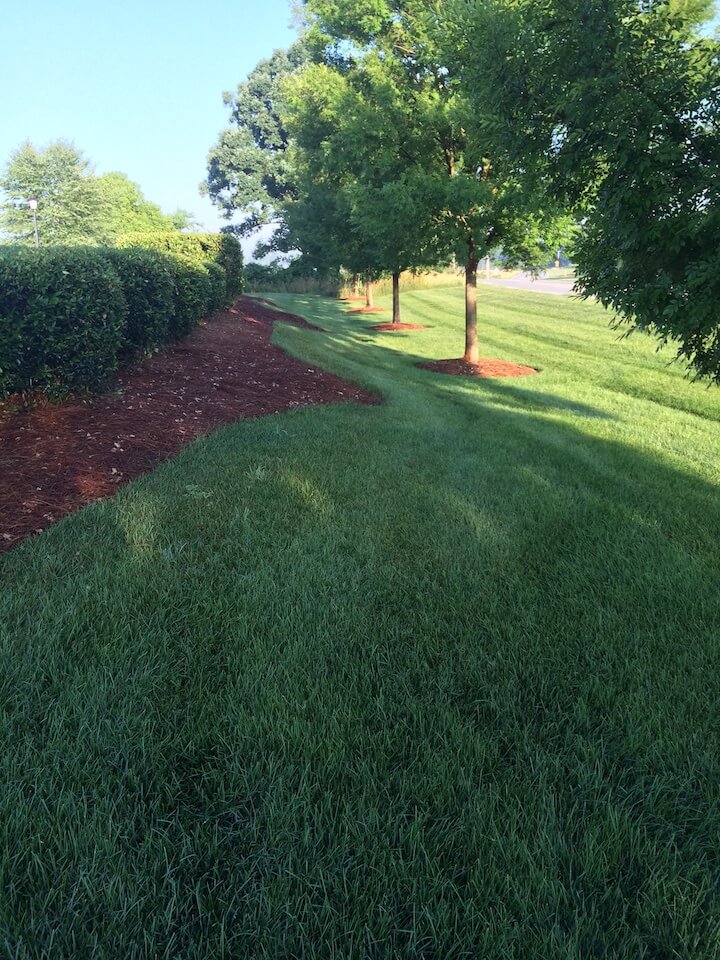
Drive through almost any American neighborhood and you will notice something familiar. Rows of evenly cut grass. Clean edges along sidewalks. Lawns that look more like green carpets than patches of nature. This obsession with the perfectly mowed lawn did not happen overnight. It grew from history, social influence, and changing ideas about success and community.
What started as a symbol of status slowly became an expectation. Today, the lawn is more than landscaping. It is a statement about pride, order, and belonging, whether homeowners realize it or not.
What factors shaped the American preference for a neatly maintained lawn?
The idea of a manicured lawn traces back far earlier than suburban America. In Europe, large estates featured trimmed grass as a sign of wealth. If you could afford land that served no agricultural purpose, you had arrived socially. When those ideas crossed the Atlantic, they took on new meaning.
In early America, practicality ruled. Land was for farming, not decoration. But as cities grew and wealth increased, lawns became symbols of refinement rather than necessity. The shift was subtle at first, then widespread.
Several influences helped shape this preference:
- European estate culture influencing early American elites
- The rise of landscape design as a profession
- Lawn care tools becoming more affordable and accessible
- Advertising that promoted lawns as part of the ideal home
The lawn became a canvas for control and order. Neatly trimmed grass suggested discipline, responsibility, and respect for property. Over time, these ideas trickled down from wealthy landowners to middle-class homeowners.
What started as aspiration eventually became tradition. The lawn was no longer optional. It was part of the American image.
How did suburban development influence the rise of the perfectly mowed yard?
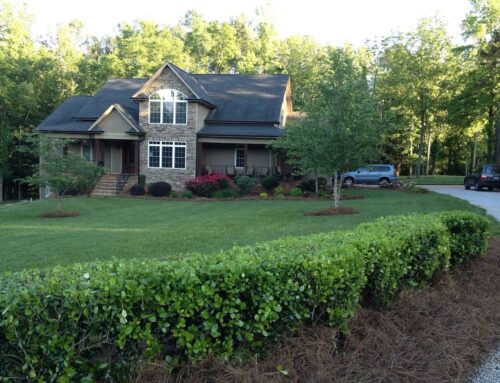
Suburbia played a massive role in shaping lawn culture. After World War II, housing developments expanded rapidly. These neighborhoods were designed for uniformity and efficiency. Similar homes. Similar layouts. Similar lawns.
Developers marketed suburban life as the American dream. A home. A family. A yard. The lawn became the most visible feature of that promise.
Suburban planning reinforced lawn expectations in several ways:
- Front yards were designed to be open and visible
- Neighborhoods emphasized consistency and order
- Homeownership became tied to personal success
- Outdoor space became a shared visual experience
Unlike rural land, suburban lawns were always on display. Neighbors saw each other’s yards daily. This visibility encouraged comparison, whether intentional or not.
Uniform lawns created a sense of harmony, but they also set standards. A poorly maintained yard stood out immediately. Over time, mowing became less about personal preference and more about fitting into the neighborhood rhythm.
The suburban lawn turned into a silent agreement. Everyone participates. Everyone maintains. And no one wants to be the exception.
Why do modern homeowners place such high value on uniform lawn appearance?
Today’s homeowners inherit decades of expectations. A clean, green lawn is often viewed as an extension of the home itself. When the yard looks good, the house feels complete.
There is also a psychological component. A uniform lawn gives a sense of control in an unpredictable world. Straight lines. Even height. Consistent color. These details provide comfort and order.
Modern influences reinforce this mindset:
- Real estate markets rewarding curb appeal
- Social media showcasing idealized outdoor spaces
- HOA standards promoting uniformity
- Lawn care brands selling perfection as achievable
For many homeowners, the lawn becomes a source of pride. It is one of the few areas where effort shows immediate results. Mow it today and the improvement is visible by evening.
Uniform lawns also signal responsibility. A well-kept yard suggests that the homeowner cares about details and maintenance. That perception matters, especially in tight-knit communities.
The lawn has evolved into a quiet status symbol. Not flashy. Not loud. Just consistently perfect.
What social or cultural pressures encourage communities to maintain flawless lawns?
While few people openly admit it, social pressure plays a major role in lawn maintenance. Lawns exist in shared spaces, and shared spaces invite judgment.
Communities often reinforce lawn standards both formally and informally. Homeowners associations may set rules, but neighbors also influence behavior through expectations and subtle cues.
Common pressures include:
- HOA guidelines and fines
- Neighborhood pride and reputation
- Fear of standing out for the wrong reasons
- Property value concerns
Even without direct rules, people notice patterns. When every lawn on the street is neatly mowed, it creates a baseline. Falling below that baseline feels uncomfortable.
There is also a cultural narrative at play. A tidy lawn is often linked to being a good neighbor. It suggests respect for shared surroundings and consideration for others.
These pressures are rarely aggressive. They are quiet and constant. A raised eyebrow. A comment about property values. A friendly reminder about mowing schedules.
Over time, these signals shape behavior. The flawless lawn becomes less about personal taste and more about belonging.
Take Pride in Your Lawn Without the Stress
At Performance Lawn & Escape, we understand that your lawn is more than grass. It is part of how you experience your home and how your community sees it. We work with homeowners who want beautiful, healthy lawns without the pressure of doing it all themselves. Our team focuses on consistency, care, and results that feel natural, not forced.
When you partner with us, you get reliable service, expert attention, and a lawn you can feel confident about every day. Let us help you enjoy your outdoor space while we handle the details that keep it looking its best.