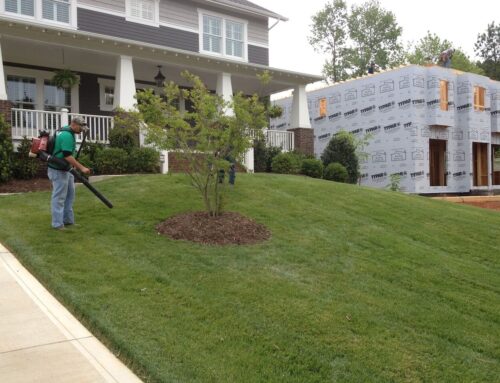
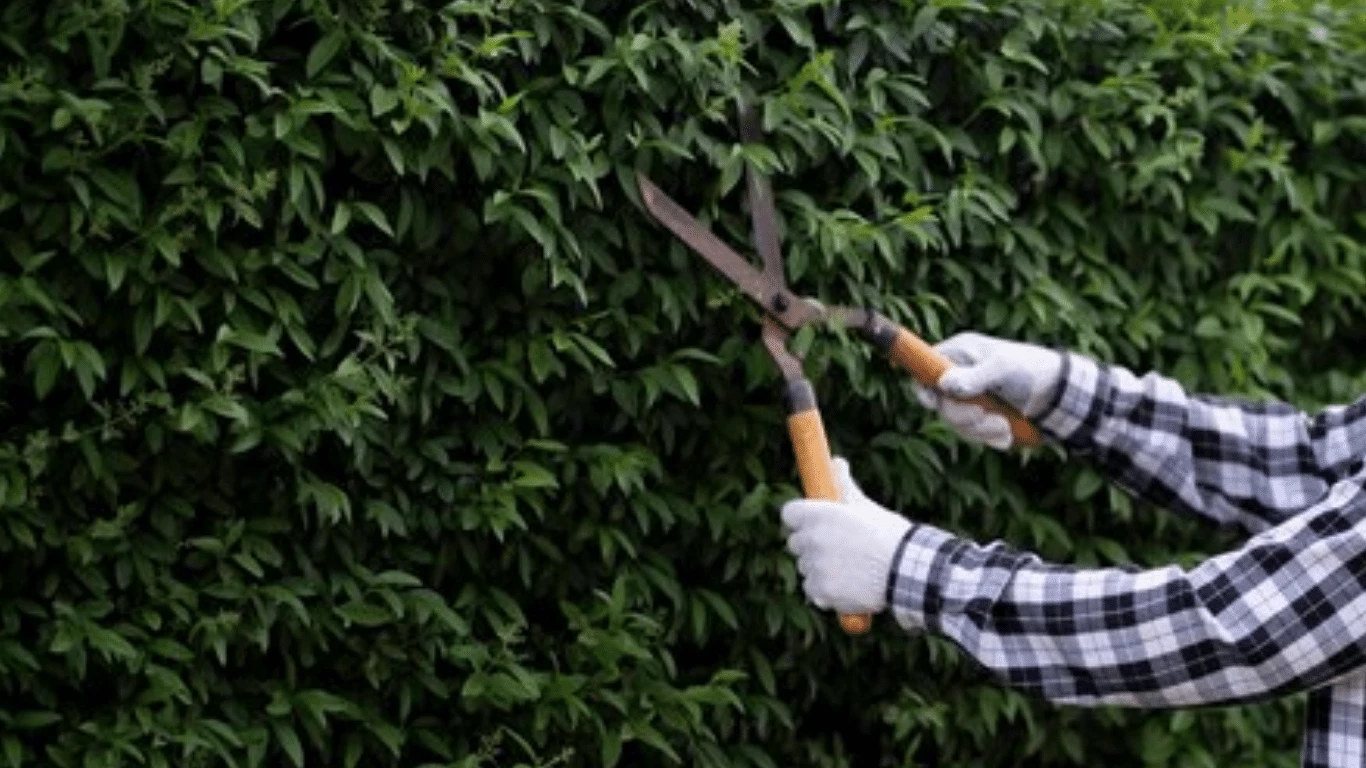
Keeping bushes and shrubs trimmed is one of the simplest ways to improve the look of your yard. Well-shaped hedges create structure in a landscape, highlight walkways and gardens, and add privacy to outdoor spaces. When shrubs are maintained properly, they stay healthier, grow fuller, and enhance the overall appearance of your property.
Whether you are shaping decorative hedges or maintaining shrubs along a walkway, learning the right techniques will help you achieve a clean, professional look. This guide explains the tools, safety tips, trimming techniques, and seasonal advice you need to keep your bushes looking their best.
Why Trimming Bushes and Shrubs Matters
Bushes and shrubs play a major role in landscape design. They add greenery, create borders, and can even act as natural fences.
However, if they are not trimmed regularly, they can quickly become overgrown and lose their shape.
Routine trimming helps:
- Maintain a neat and uniform appearance
- Encourage healthy growth
- Prevent branches from becoming too dense
- Improve airflow and sunlight exposure within the plant
- Increase curb appeal and property value
Overgrown shrubs can block windows, cover walkways, and make outdoor spaces look unkempt. Keeping them trimmed ensures your landscape stays tidy and visually appealing throughout the year.
Types of Hedge Trimmers
Choosing the right hedge trimmer makes trimming easier and more efficient. There are three common types of hedge trimmers used by homeowners and professionals.
Gas-Powered Hedge Trimmers
Gas-powered trimmers are the most powerful option available. They are ideal for large properties or thick, mature hedges that require heavy cutting.
Benefits include:
- Strong cutting power for thick branches
- Full mobility with no cords or batteries
- Suitable for large hedges and extensive trimming jobs
However, gas trimmers require mixing gasoline and oil to fuel the engine. They also produce more noise and require more maintenance than electric models.
Corded Electric Hedge Trimmers
Corded electric trimmers are lightweight, quiet, and easy to operate. They plug directly into an electrical outlet using an extension cord.
Advantages include:
- Minimal maintenance
- Quieter operation compared to gas tools
- Affordable pricing
These trimmers work well for small yards or shrubs located close to the house. The main limitation is the extension cord, which can restrict movement and requires careful handling.
Cordless Battery-Powered Hedge Trimmers
Cordless hedge trimmers have become increasingly popular thanks to modern lithium-ion batteries. They offer a balance between power and convenience.
Benefits include:
- No cords or fuel required
- Quiet operation
- Easy start with the push of a button
Battery-powered trimmers come in different voltage levels. Higher-voltage batteries generally provide more power and longer run time, making them better for larger trimming projects.
Safety Tips When Using Hedge Trimmers
Hedge trimmers are powerful tools that cut quickly and efficiently. Because of their speed and sharp blades, it is important to use them carefully.
Follow these safety practices when trimming bushes:
- Always keep both hands on the trimmer while operating it
- Never hold a branch with one hand while cutting with the other
- Clear the area of obstacles before starting
- Keep pets and children away from the trimming zone
- Watch out for hidden hoses, wires, or extension cords
Protective gear is also important. Wearing gloves, safety goggles, and sturdy shoes can prevent injuries from flying debris or accidental contact with branches.
For branches that are too thick for a hedge trimmer, use hand pruners or loppers instead of forcing the trimmer through them.
How to Trim a Hedge Properly
Proper trimming technique helps bushes grow evenly while maintaining a natural shape.
Start From the Bottom and Work Up
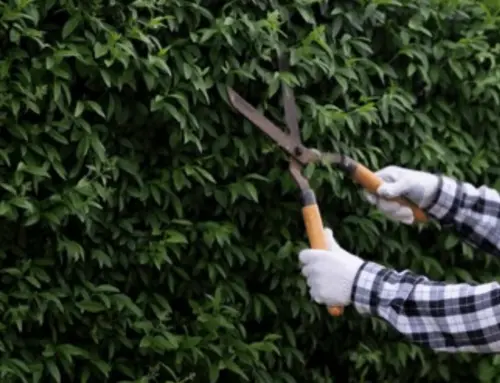
Begin trimming near the base of the hedge and gradually work upward. Move the cutting blade in slow, controlled motions and allow the trimmer to do the work.
Instead of removing large sections all at once, trim small amounts at a time. This approach prevents overcutting and gives you more control over the shape.
Shape the Hedge Correctly
A common mistake when trimming bushes is cutting them straight up and down.
For healthy growth, hedges should be slightly wider at the bottom and narrower at the top. This shape allows sunlight to reach the lower branches, preventing them from becoming thin or bare.
Techniques for Straight Hedge Lines
When trimming long hedges, maintaining a straight line can be challenging. A simple trick is to stretch a string between two stakes to mark the desired height.
Use the string as a visual guide while trimming across the top. This method helps create a smooth, uniform appearance. For smaller shrubs, trimming freehand usually works well.
Final Cleanup and Inspection
After trimming, remove the cut branches and leaves from around the shrub. Clearing the debris makes it easier to evaluate the final shape.
Take a step back and inspect the hedge from different angles. If needed, make a few finishing cuts to even out the shape.
You should also check inside the shrub for dead, damaged, or diseased branches and remove them with hand pruners.
When and How Often to Trim Hedges
The frequency of trimming depends on the type of hedge and the look you want to achieve.
Formal hedges that are carefully shaped may require trimming three or four times per year to maintain their appearance.
Informal hedges, which have a more natural shape, usually need trimming only once or twice a year.
The best time to trim hedges is typically during the growing season when plants can recover quickly. Many people prefer trimming in the early morning or late afternoon to avoid exposing freshly cut branches to intense sunlight.
Fall Shrub Pruning Tips
Fall pruning can be helpful for some plants, but it must be done carefully.
Shrubs That Can Be Pruned in Fall
Certain shrubs bloom on new growth and respond well to light pruning in autumn. Examples include:
- Butterfly bush
- Summer-blooming spirea
- Chaste tree
- Light trimming of evergreen shrubs
Herb plants such as lavender and rosemary may also benefit from fall pruning.
Shrubs You Should Not Prune in Fall
Some shrubs develop their flower buds during the previous season. Pruning these plants in fall can remove next year’s blooms.
Examples include:
- Lilacs
- Forsythia
- Rhododendrons and azaleas
- Oakleaf hydrangeas
These shrubs should generally be pruned after they finish blooming rather than in autumn.
General Fall Pruning Guidelines
If you plan to prune shrubs in the fall, follow these guidelines:
- Remove only dead, damaged, or diseased branches
- Avoid cutting more than one-third of the plant
- Use clean, sharp tools to prevent spreading disease
- Apply mulch around the base to protect roots during winter
These steps help plants stay healthy and prepare for strong growth in spring.
Shrub Trimming vs. Pruning
Although the terms are often used interchangeably, trimming and pruning are different landscaping practices.
What is Shrub Trimming?
Trimming focuses on shaping the outside of the shrub. It typically involves cutting the tips of branches using hedge trimmers to create a neat, uniform look.
This process is mostly cosmetic and helps maintain a tidy landscape.
What is Shrub Pruning?
Pruning is more focused on plant health. It involves selectively removing branches that are dead, damaged, or diseased.
Pruning can also improve airflow and encourage new growth within the plant.
When to Trim vs. When to Prune
Trimming can occur several times during the growing season to maintain shape.
Pruning is usually done less frequently and is often scheduled during dormant seasons such as late winter.
Both practices are important for keeping shrubs healthy and attractive.
Frequently Asked Questions About Trimming Bushes
What is the best time of year to trim bushes?
Most bushes can be trimmed during the growing season in spring and summer. However, timing depends on the plant type and when it blooms.
How often should bushes be trimmed?
Formal hedges may require trimming several times a year, while natural shrubs may only need trimming once or twice annually.
Can trimming bushes make them grow thicker?
Yes. Regular trimming encourages branching, which can help shrubs grow fuller and denser.
What tools are best for trimming shrubs?
Common tools include hedge trimmers, hand pruners, loppers, and pruning saws depending on branch size.
Should bushes be wider at the bottom or top?
Bushes should be slightly wider at the bottom. This shape allows sunlight to reach the lower branches and keeps the plant healthy.
What happens if you trim bushes too much?
Overtrimming can stress the plant, remove important growth, and reduce flowering. It is best to trim gradually rather than removing large sections at once.
Is it better to trim bushes in the morning or evening?
Trimming during the early morning or late afternoon helps prevent sun damage to freshly cut branches.
What is the difference between pruning and trimming shrubs?
Trimming focuses on shaping the plant’s outer appearance, while pruning targets specific branches to improve plant health.
Maintaining your bushes and hedges does not have to be complicated. With the right tools, proper safety precautions, and consistent trimming techniques, you can keep your landscape looking polished and healthy throughout the year.
Over time, you will become more confident with the process and develop the skills needed to shape your shrubs like a professional.
Keep Your HOA Landscape Looking Its Best
Clean lines and well-shaped shrubs can instantly elevate the look of any HOA community. Precision trimming does more than improve curb appeal. It helps maintain healthy plants and keeps shared spaces neat and consistent for every resident.
When we stay on top of regular shrub care, the entire neighborhood benefits from a polished, welcoming landscape. At Performance Lawn & Landscape, we work with communities to deliver detailed, reliable trimming that keeps properties looking their best.
Contact us today and let’s keep your HOA landscape sharp, healthy, and beautifully maintained all season long.