
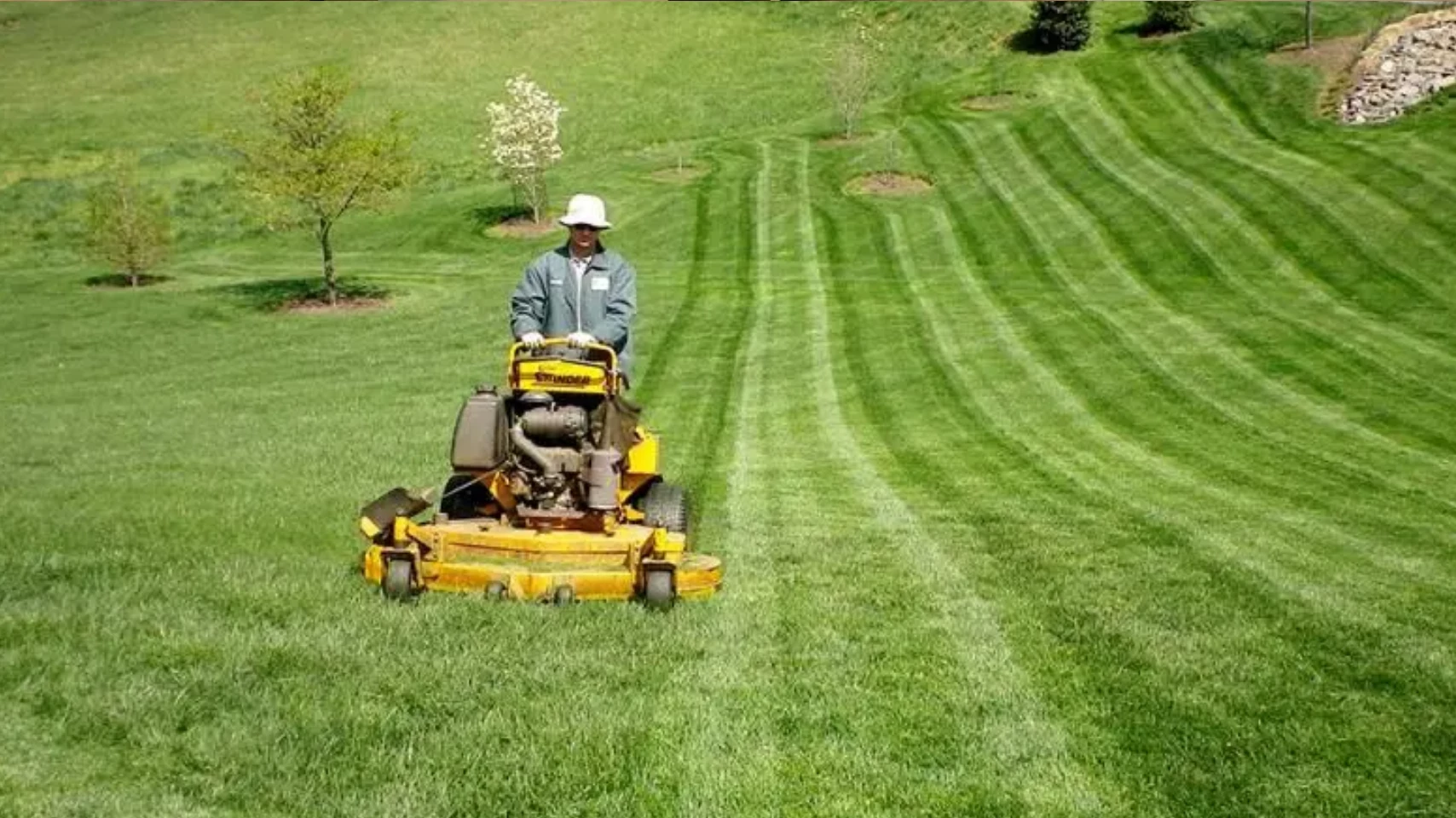
Most healthy lawns need professional maintenance every one to two weeks during active growing seasons, with seasonal treatments scheduled throughout the year. The right schedule depends on grass type, weather, soil condition, lawn size, mowing height, and how quickly the yard responds.
A lawn can look fine on the surface while developing weak roots, weeds, compacted soil, or nutrient problems underneath. Consistent service helps catch those issues early. A reliable schedule keeps grass growing evenly, supports stronger color, and reduces the risk of overgrowth, disease, and expensive recovery later.
How Often Should a Lawn Be Professionally Maintained?
Most lawns should be professionally maintained every one to two weeks during the growing season. Fast-growing lawns may need weekly visits. Slower-growing lawns may stay healthy with service every two weeks.
A good professional lawn service schedule includes more than mowing. It may also include edging, trimming, blowing, weed control, fertilization, aeration, overseeding, and seasonal cleanup.
Why Routine Matters
Grass responds best to steady care. Cutting too much at one time can stress the lawn. Letting grass grow too high can trap moisture, invite pests, and make mowing less effective.
Professional lawn maintenance services keep the yard balanced. It also allows small problems to be seen before they spread.
The exact frequency should be based on growth, not a fixed calendar alone. Rain, heat, shade, irrigation, and soil quality all change how quickly grass needs attention.
Is Weekly Lawn Service Necessary for Healthy Grass?
Weekly lawn service is often necessary during peak growing periods, especially in spring and early summer. Grass can grow quickly when temperatures, rainfall, and nutrients are favorable.
Weekly service helps maintain the proper mowing height. It also prevents clumps, uneven cuts, and excessive stress.
When Weekly Service Makes Sense
Weekly maintenance may be best when the lawn grows fast, weeds are active, the property needs a clean appearance, or the grass becomes too tall between visits.
Commercial properties, front-facing homes, and yards with irrigation often benefit from weekly service.
Biweekly service may work during slower growth periods. However, waiting too long can force a heavy cut. That can weaken grass and leave brown tips.
The healthiest plan follows the lawn’s growth cycle. If the grass is consistently too tall before each visit, weekly service may be the better choice.
What Time of Year Should Lawn Care Services Be Scheduled Most Often?
Lawn care services are usually needed most often during active growth. In many areas of North Carolina, spring and early summer require frequent mowing and routine maintenance.
Warm-season grasses may grow strongest in late spring and summer. Cool-season grasses often need more attention in spring and fall.
Seasonal Timing
Spring is a key season for cleanup, mowing, weed control, and growth support. Summer focuses on mowing, watering awareness, pest checks, and stress management.
Fall is important for aeration, overseeding, fertilization, and leaf cleanup, especially for cool-season lawns. Winter usually needs less mowing, but cleanup and planning still matter.
A reliable lawn care schedule changes by season. The same visit frequency rarely works all year.
For a professional lawn in Monroe, NC, local weather, soil, sun exposure, and turf type should guide the schedule instead of using a generic plan.
Can Lawn Service Frequency Affect Grass Growth and Health?
Yes, lawn service frequency directly affects grass growth and health. Proper mowing encourages thicker turf, stronger roots, and better curb appeal. Poor timing can weaken the lawn.
Cutting too often at the wrong height can stress grass. Cutting too rarely can remove too much blade at once.
The One-Third Rule
A common professional guideline is to avoid removing more than one-third of the grass blade during a single mowing. Removing more can shock the plant and reduce root strength.
Consistent service helps maintain this balance. It keeps grass at a healthy height and reduces scalping.
Frequency also affects weed pressure. Thick, properly maintained turf leaves less open space for weeds to spread.
Regular visits also support monitoring. A professional can notice thinning areas, drainage issues, disease signs, pest activity, and mower damage before the lawn declines.
How Do I Know If My Lawn Needs More Frequent Maintenance?
Your lawn may need more frequent maintenance if it looks overgrown before the next scheduled visit. Tall grass, uneven growth, clippings left behind, and weeds spreading quickly are clear signs.
A lawn that looks clean for only a few days after service may need a shorter interval.
Warning Signs to Watch
More frequent service may be needed when:
- Grass bends over before mowing
- Weeds appear between visits
- Edges look messy quickly
- Clippings clump on the lawn
- The lawn looks uneven after cutting
- Brown tips appear after mowing
- Growth increases after heavy rain
These signs often mean the mowing schedule is behind the growth rate.
More frequent maintenance may also be needed after fertilization or rainy weather. Grass often grows faster after nutrient applications and consistent moisture.
A professional can adjust the schedule before the lawn becomes stressed.
Does Lawn Size Impact How Often Professional Service Is Needed?
Lawn size affects service time, equipment needs, and cost, but it does not always determine frequency by itself. A small lawn and a large lawn may both need weekly mowing during active growth.
Frequency depends more on grass growth rate than square footage.
Why Size Still Matters
Large lawns may take longer to mow, trim, edge, and clean up. They may also have more variation in sun, shade, slope, drainage, and soil conditions.
A larger property may need zone-based care. One area may grow quickly while another stays thin or shaded.
Small lawns can still need frequent maintenance if they grow fast or have high visibility. Front yards, narrow side yards, and irrigated turf may require precise care.
The right schedule should consider size, layout, turf type, obstacles, slope, and expectations for appearance.
What Lawn Care Treatments Should Be Done Seasonally?
Seasonal treatments help support lawn health beyond mowing. A strong yard needs proper timing for weed control, fertilization, aeration, overseeding, soil care, and cleanup.
Not every treatment is needed every month. Timing matters because treatments work best when matched to grass growth and weather.
Spring Treatments
Spring often includes cleanup, pre-emergent weed control, mowing adjustments, fertilization, and inspection for bare spots or drainage problems.
Pre-emergent products help reduce certain weeds before they appear. Early attention can prevent bigger problems later.
Summer Treatments
Summer care focuses on mowing consistency, watering awareness, pest monitoring, and heat stress prevention.
Grass should not be cut too short during stressful heat. Taller grass can shade soil and help retain moisture.
Fall Treatments
Fall may include aeration, overseeding, fertilization, leaf removal, and soil improvement. This is especially important for many cool-season lawns.
Aeration helps reduce compaction and allows air, water, and nutrients to reach roots.
Winter Treatments
Winter service may include cleanup, debris removal, pruning coordination, and planning for spring treatments.
Even when grass growth slows, the lawn still benefits from protection and preparation.
Key Takeaways
A healthy lawn usually needs professional maintenance every one to two weeks during active growth, with seasonal treatments scheduled at the right time. Weekly service is often best in spring and summer, while slower seasons may need less frequent visits.
The right schedule depends on grass type, weather, soil, lawn size, irrigation, shade, and growth rate. Professional care helps prevent overgrowth, weeds, stress, and missed warning signs.
A consistent lawn care schedule keeps the yard stronger, cleaner, and easier to manage year-round.
Build a Healthier Yard With Performance Lawn & Landscape
A healthy lawn needs the right timing, not random service when the yard starts looking rough. Performance Lawn & Landscape helps homeowners plan lawn care around growth patterns, season, property conditions, and long-term lawn health.
The team can help determine whether weekly, biweekly, or seasonal service makes the most sense for the property. With consistent mowing, trimming, edging, cleanup, and scheduled treatments, we support a cleaner, healthier yard that is easier to maintain through changing weather and growing seasons.