
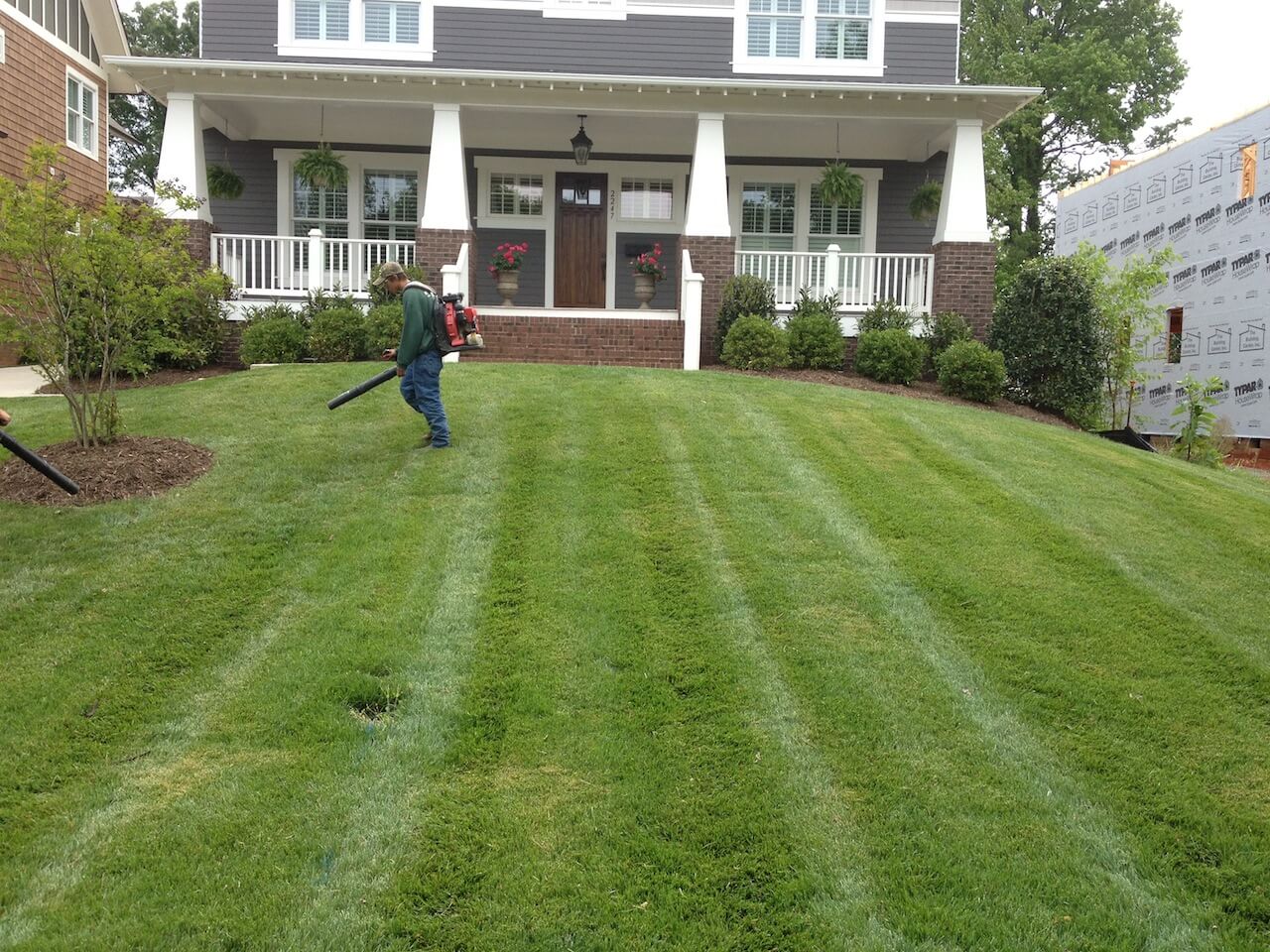
For years, leaf removal had a clear timeline. The leaves changed color, dropped in late fall, and homeowners handled cleanup before winter fully set in. Simple. Predictable. Done.
That’s not the case anymore.
Many homeowners are noticing something different. Leaves are falling later, sometimes well into early winter, and in some areas even in waves. What used to be a few weekends of yard work has stretched into months of ongoing cleanup. The traditional “fall-only” leaf season is changing, and lawns are feeling the impact.
Understanding why this shift is happening can help you protect your yard before leaf buildup turns into long-term damage.
Why is leaf removal needed beyond the fall season?
Leaf removal is no longer just a once-a-year task. Changing weather patterns and extended growing seasons are pushing leaf drop beyond its traditional window.
Leaf removal is needed beyond fall because:
- Leaves continue falling in stages
- Wind redistributes leaves weeks later
- Mild winters delay full tree dormancy
- Late-season storms knock down additional debris
- Wet leaves stick and compact into the lawn
- Shaded areas hold leaves longer
Many trees no longer shed all at once. Some drop early, others later, and some release a second wave after cold snaps. Add wind and rain into the mix, and even cleaned yards can fill back up quickly.
When leaves sit too long, especially during damp weather, they form a thick mat that blocks sunlight and airflow. That can suffocate grass and create ideal conditions for mold and disease. What feels like “just a few leaves” can quietly create bigger problems beneath the surface.
Extended leaf seasons mean homeowners need to think about removal as ongoing maintenance, not just a fall chore.
What causes leaves to keep falling later in the year?
If you feel like leaves are falling longer than they used to, you’re not imagining it. Several environmental factors contribute to a stretched-out leaf season.
Leaves continue falling later due to:
- Warmer autumn temperatures
- Delayed frost events
- Irregular rainfall patterns
- Tree stress from summer heat
- Sudden cold snaps after mild weather
- High wind events late in the season
Warmer temperatures in early fall can delay the natural leaf-drop cycle. When frost arrives later than expected, trees hold onto leaves longer. On the flip side, a sudden freeze after mild weather can trigger rapid leaf drop all at once.
Tree stress also plays a role. Heat, drought, or heavy rain earlier in the year can weaken trees, causing uneven shedding later. Instead of a clean, predictable drop, leaves fall in waves.
Windstorms make matters worse. Even after your yard looks clean, a single windy day can cover it again. These factors combine to create a longer, less predictable cleanup season than homeowners are used to managing.
How does extended leaf buildup affect lawns and landscaping?
Extended leaf buildup can cause more damage than most homeowners realize. It’s not just about appearance. It’s about lawn health.
Long-term leaf accumulation can:
- Block sunlight needed for grass growth
- Trap moisture against the soil
- Promote mold and fungal diseases
- Create bare patches by spring
- Attract pests seeking shelter
- Smother young plants and ground cover
When leaves stay damp, they compress and create a barrier. Grass beneath that layer struggles to breathe. Roots weaken, and sections of the lawn may thin out or die entirely.
Moist conditions under leaf piles are also perfect for fungal growth. Snow mold and other turf diseases often begin in areas where leaves were left too long. By the time spring arrives, the damage is already done.
Landscaping beds aren’t immune either. Excess leaf buildup can smother smaller plants and trap moisture around shrubs, increasing the risk of rot. Regular removal keeps lawns and plantings healthier and more resilient through winter.
When should homeowners schedule leaf removal during a longer leaf season?
With a longer leaf season, timing becomes more strategic. Instead of waiting for all leaves to fall, it’s often better to plan multiple cleanups.
Homeowners should consider scheduling removal:
- After the first major leaf drop
- Following significant windstorms
- Before prolonged wet or freezing weather
- When leaf coverage exceeds light scattering
- In shaded areas where leaves linger
- Before the first snowfall
Spacing out cleanups prevents heavy buildup. Removing leaves in stages is easier on your lawn and avoids overwhelming amounts later.
It’s also smart to schedule a final cleanup before winter fully sets in. Leaves left under snow can create moisture traps that linger well into spring.
Instead of thinking of leaf removal as one weekend project, consider it seasonal maintenance that protects your lawn’s long-term health.
Protect Your Lawn Before the Leaves Take Over
Leaf season doesn’t follow a simple calendar anymore, and waiting too long can cost your lawn more than you expect.
At Performance Lawn & Landscape, we help homeowners stay ahead of extended leaf drop with timely, thorough cleanups that protect grass, plants, and soil health. We understand how changing weather patterns affect your yard, and we adjust our services to match what your lawn actually needs.
If leaves keep piling up longer than you planned, we’re here to make sure your property stays clean, healthy, and ready for the seasons ahead.