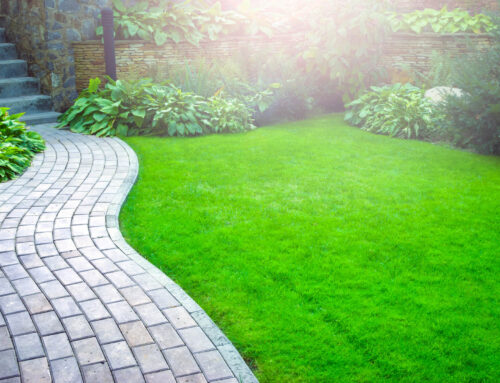

How soon pets can use the lawn after treatment depends on the specific product applied, whether it is liquid or granular, and any drying or watering requirements. The safest approach is to keep pets off treated areas until the product label and lawn care provider say reentry is appropriate.
Some lawn treatments need to dry completely. Others need to be watered into the soil before pets return. Because fertilizers, weed controls, insect treatments, and other lawn products have different instructions, there is no single waiting period that applies to every application.
At Performance Lawn & Landscape, we encourage homeowners to follow the instructions provided with each service and make pet safety part of their lawn-treatment routine.
How Soon Can Pets Use the Lawn After Treatment?
Pet reentry should be based on the product used and the instructions that apply to that treatment.
Homeowners may sometimes hear general advice such as waiting a certain number of hours after lawn service. That can be misleading because two treatments applied to the same lawn may have completely different reentry requirements.
Important factors include:
- The type of lawn product applied
- Whether the product is liquid or granular
- Whether the treatment must dry
- Whether irrigation is required
- Weather and humidity
- The product label
- Instructions provided by the lawn care company
If your lawn has just been treated, do not assume that grass that looks dry is automatically ready for pets. Check the instructions associated with the application first.
This is especially important for dogs that spend time rolling, digging, or licking their paws after being outside.
Why Does Pet Reentry Time Vary by Product?
Lawn treatments are formulated for different purposes and applied in different ways.
A lawn-care visit may involve:
- Fertilizer
- Weed-control products
- Insect treatments
- Disease-control products
- Soil or nutrient treatments
- A combination of products
Each product has its own directions for use and reentry.
Some products work primarily through the soil. Others are intended to remain on plant surfaces for a period before being disturbed. Certain products must dry, while granular materials may need rainfall or irrigation to move them from the grass surface.
Application conditions can also affect timing.
A liquid treatment may dry faster on a warm, breezy afternoon than on a cool, humid day. A granular treatment that requires irrigation may remain on the surface longer if watering is delayed.
Because these variables matter, homeowners should rely on the specific treatment instructions rather than a general rule.
How Do Liquid Lawn Treatments Affect Reentry Timing?
Liquid lawn treatments are commonly sprayed over grass and sometimes need to dry before people or pets return to the treated area.
While the lawn is wet, pets may come into direct contact with treatment residue through their:
- Paws
- Fur
- Legs
- Nose
- Mouth
Dogs and cats may then groom themselves, creating another opportunity for exposure.
A lawn that looks wet or has visible droplets should generally remain off-limits until the applicable reentry instructions have been satisfied.
Drying time can depend on:
- Temperature
- Humidity
- Sunlight
- Wind
- Shade
- Grass density
- The amount of material applied
Do not assume that a fixed number of hours guarantees that every liquid treatment has dried properly.
If the provider says pets can return once the lawn is completely dry, check the turf itself and follow any additional product-specific requirements.
What About Granular Lawn Treatments?
Granular products create a different set of considerations.
After application, small particles may remain on the grass or soil surface. Some granular lawn products are intended to be watered into the soil before normal activity resumes.
If pets are allowed onto the lawn while loose granules remain on the surface, material can potentially stick to their paws or fur. Curious dogs may also investigate or ingest granules directly.
Homeowners should find out whether the application requires irrigation.
If watering is required, follow the provider’s directions regarding:
- When watering should begin
- How much irrigation is needed
- Whether rainfall can replace irrigation
- Whether the lawn must dry afterward
- When pets may safely return
Do not assume that every granular fertilizer is handled in exactly the same way. The instructions for the particular product should determine what happens next.
How Can You Tell When the Lawn Is Ready for Pets?
The best indicator is not simply appearance. It is whether the treatment’s reentry requirements have been completed.
For a liquid treatment that must dry, signs that the lawn has dried may include:
- No visible moisture on the grass
- No droplets on the leaf blades
- No wetness transferring from the lawn
- Turf feeling dry to the touch
For a granular treatment, readiness may depend on whether required irrigation has been completed and whether any additional restrictions apply afterward.
Weather should also be considered.
Shade, cool temperatures, and high humidity can extend drying time. Likewise, watering a lawn may make the turf wet again even after the original application had dried.
When there is any uncertainty, contact the lawn care provider rather than guessing.

Why Should You Follow the Service Provider’s Instructions?
The lawn care provider should know which products were applied and what aftercare requirements apply to that service.
That information is more useful than a general recommendation found online because reentry directions can vary by product and application.
After a treatment, homeowners should know:
- What type of treatment was performed
- Whether the lawn needs watering
- Whether the product needs to dry
- When pets can return
- Whether any areas need to remain restricted longer
- What to do if unexpected rain occurs
Product labels also provide important instructions regarding application and reentry.
If your provider gives you a service report, email, door hanger, or other aftercare information, keep it available until all watering, drying, and reentry requirements have been completed.
If anything is unclear, ask before allowing pets back onto the treated lawn.
Should Pet Bowls, Toys, and Bedding Be Removed Before Treatment?
Yes, items that pets eat from, drink from, chew, sleep on, or regularly handle should be removed from the treatment area before lawn service.
Examples include:
- Food bowls
- Water bowls
- Dog toys
- Balls
- Chew toys
- Outdoor pet beds
- Blankets
- Training equipment
- Portable pet pools
Removing these items before treatment reduces the chance that spray, granules, or other lawn-care materials will land directly on surfaces your pet may lick or chew.
It also makes it easier for the lawn care technician to treat the property without having to work around pet belongings.
If a pet item is accidentally left outside during treatment, do not automatically return it to your pet. Ask the lawn care provider what was applied and how the item should be handled.
Homeowners should also make sure gates are accessible and pets are secured indoors or in another untreated area before the service begins.
What Should You Do If Your Pet Enters the Lawn Too Soon?
If your pet gets onto a recently treated lawn, first remove the animal from the treated area.
Try to determine:
- What product was applied
- When the application occurred
- Whether the lawn was wet or dry
- How long the pet was in the area
- Whether the pet may have eaten any product
- Whether product is visible on the paws or coat
Contact the lawn care provider for the exact product information and follow the product label’s exposure guidance.
If you believe the pet may have ingested lawn treatment material, has significant exposure, or begins showing unusual symptoms, contact a veterinarian or appropriate animal poison-control service promptly.
Do not attempt to induce vomiting or give a home remedy unless a veterinary professional specifically tells you to do so.
Having the product name or service record available can help the veterinarian understand what the pet may have encountered.
When Should You Call Your Lawn Care Provider?
Contact your lawn care provider whenever you are unsure about what was applied or when pets can return.
Useful questions include:
- What products were used today?
- Does the treatment need to dry completely?
- Does it need to be watered in?
- When should irrigation begin?
- Is rainfall enough to water in the product?
- Can pets return after watering?
- Does the lawn need to dry again afterward?
- Were multiple products applied?
- Are there different restrictions for different areas?
You should also call if weather changes unexpectedly after treatment.
For example, heavy rain soon after an application may affect some treatments differently than expected. Your provider can explain whether any aftercare instructions need to change.
If a pet accidentally enters the treated area, the provider can also identify exactly which product was applied so you can give accurate information to a veterinarian if needed.
How Can You Make Lawn Treatment Days Safer for Pets?
Planning ahead can make treatment days easier for both homeowners and pets.
Keep Pets Indoors Before Service Begins
Bring dogs and other outdoor pets inside before the lawn technician arrives. This prevents accidental contact during application.
Remove Pet Items
Collect bowls, toys, beds, blankets, and other belongings from the lawn.
Close Pet Doors
If your dog normally has unrestricted backyard access, temporarily secure pet doors so the animal cannot return outside before the lawn is ready.
Check Gates
Make sure the lawn care provider can access the property without pets escaping or entering the treatment area.
Review the Treatment Instructions
Find out whether the application needs drying, watering, or another step before pet reentry.
Complete Required Watering
If irrigation is necessary, follow the recommended timing and amount rather than guessing.
Keep Pets Off Until Requirements Are Met
Use leashes, indoor play, walks, or an untreated section of the property while waiting.
Keep Service Information Available
Knowing what was applied is useful if questions arise later.
These precautions are relatively simple but can help avoid unnecessary contact with freshly applied lawn treatments.
FAQs
How long should dogs stay off grass after lawn treatment?
There is no single waiting period for every treatment. The correct reentry time depends on the product, application method, drying requirements, watering instructions, and label directions.
Can dogs walk on the lawn after fertilizer is applied?
It depends on the fertilizer. Some granular treatments may need to be watered into the soil before pets return. Follow the directions for the specific product and the lawn care provider’s instructions.
Is a lawn safe for pets once it is dry?
For some liquid treatments, the instructions may allow reentry once the lawn has completely dried. However, not every product follows the same rule, so check the specific application instructions first.
Should I water the lawn before letting my dog outside?
Only if the treatment instructions require watering. Some products need irrigation, while others may need to remain dry for a period. Follow the instructions from the provider.
What if my dog walks through freshly treated grass?
Remove your dog from the area and determine what product was applied. Contact the lawn care provider for product information. If ingestion or significant exposure may have occurred, or your dog develops unusual symptoms, contact a veterinarian promptly.
Can pet toys stay outside during lawn treatment?
It is better to remove toys, bowls, beds, and other pet items before treatment so lawn-care products do not land on surfaces pets may lick, chew, or handle.
Plan Ahead for Pets on Lawn Treatment Days
Knowing how soon pets can use the lawn after treatment starts with knowing exactly what was applied. Liquid applications may need time to dry, while granular treatments may require watering before normal lawn activity resumes.
Because products and application methods vary, a universal reentry time can create unnecessary confusion. Follow the product instructions and the guidance provided after your lawn service.
Performance Lawn & Landscape encourages homeowners to bring pets indoors, remove bowls and toys before treatment, complete any required watering, and keep pets away until the applicable reentry requirements have been met. A little preparation can make lawn treatment days easier while helping protect both the lawn and the pets that enjoy it.