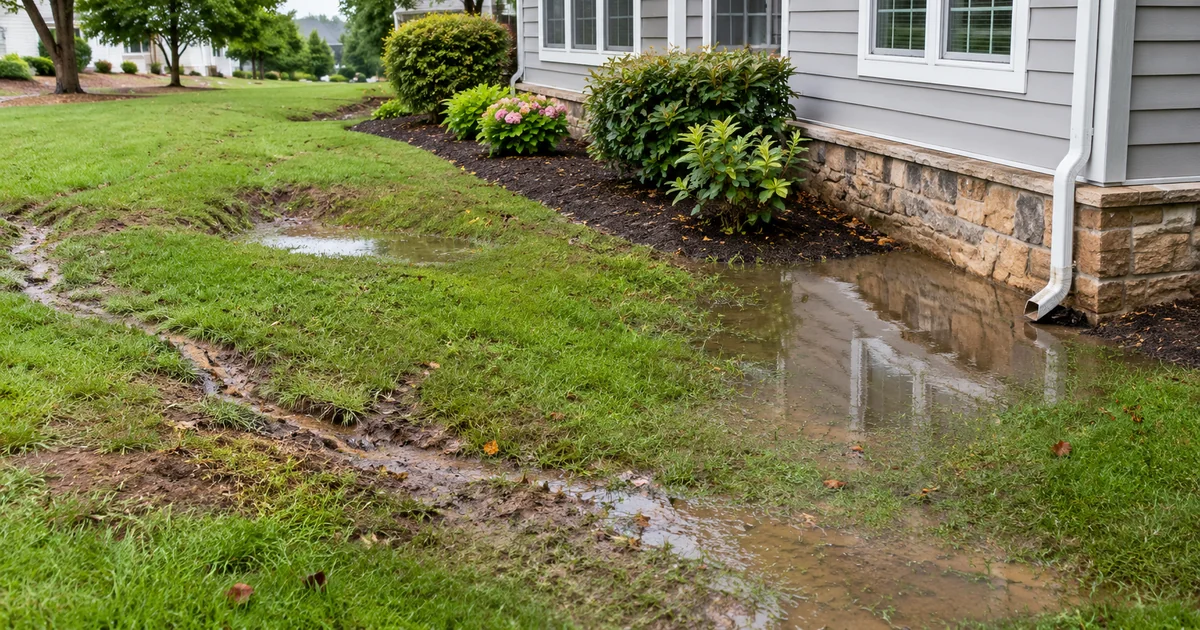
Does your yard turn into a muddy mess every time it rains? Maybe you’ve noticed puddles near your foundation, soil washing across the driveway, or water collecting around your patio. These problems can be frustrating, especially when they keep returning despite regular lawn maintenance.
While poor drainage doesn’t always mean your yard needs major work, certain warning signs can point to an issue with the way your property is graded.
Knowing the signs a yard needs regrading can help you determine whether a simple drainage adjustment will work or whether reshaping the ground may be necessary.
Quick Answer: How Do You Know If Your Yard Needs Regrading?
Your yard may need regrading if water repeatedly pools near your foundation, flows toward your house, causes soil erosion, or collects in low spots after rainfall. Uneven ground, sinking areas, and drainage problems around patios can also indicate poor grading. However, clogged drains, downspouts, or compacted soil may cause similar symptoms without requiring full regrading.
What Are the Most Common Signs of Poor Yard Grading?
Poor yard grading isn’t always obvious. Sometimes, the lawn looks relatively level until heavy rainfall reveals where water naturally collects.
Grading refers to the shape and slope of the ground. Its purpose is to help water move away from buildings and toward appropriate drainage areas.
When that slope doesn’t work properly, several warning signs may develop.
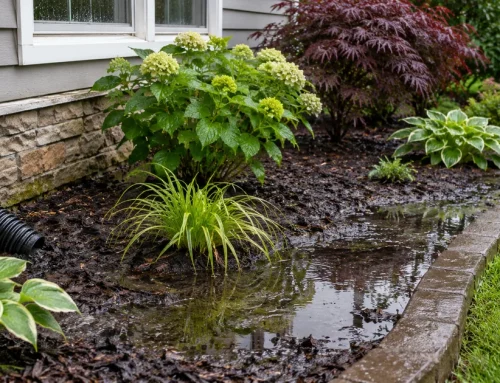
1. Water regularly pools in the same areas
If puddles appear in the same spots after ordinary rainfall, your yard may contain depressions or low areas that prevent water from draining away.
Occasional puddles during an unusually heavy storm aren’t necessarily a concern. Repeated standing water deserves closer attention.
2. Rainwater flows toward your home
Water should generally move away from the foundation rather than toward it.
If runoff travels downhill toward your exterior walls, the surrounding grade may be directing water in the wrong direction.
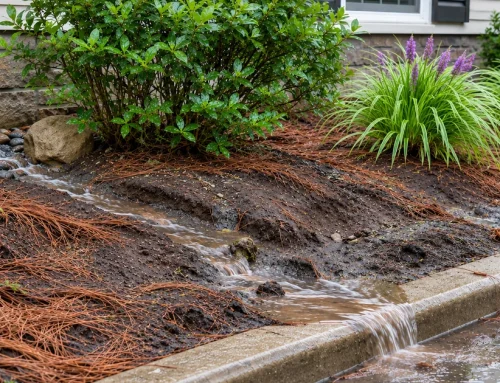
3. Soil washes away during storms
Visible erosion channels, exposed roots, and soil collecting on sidewalks can indicate that water is traveling across the ground with enough force to remove material.
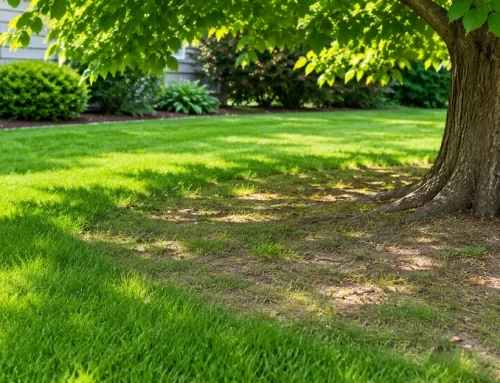
4. The lawn develops uneven or sunken areas
Depressions may form when soil settles, particularly around previously disturbed ground.
These low spots can collect water and become difficult to mow or maintain.
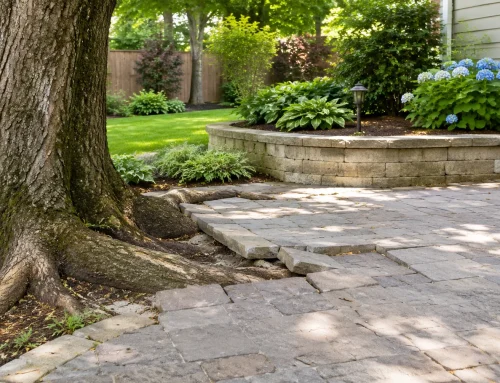
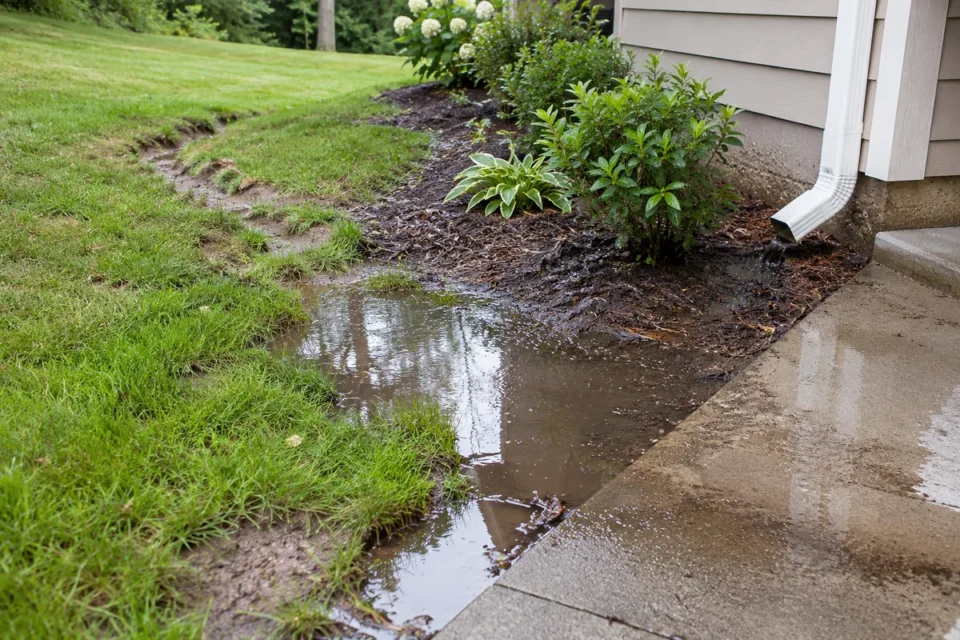
5. Patios and walkways collect water
Standing water against patio edges or along walkways may indicate that the surrounding ground isn’t directing runoff appropriately.
However, the hardscape itself may also have an incorrect slope.
6. Landscape beds remain unusually wet
If planting beds stay saturated while surrounding areas dry normally, water may be flowing into them from higher ground.
Poor soil drainage can produce similar conditions, so further investigation may be necessary.
The more frequently these problems occur together, the stronger the reason to have your property’s grading evaluated.
How Should Water Move Through a Yard After Rain?
A properly graded yard doesn’t need to be completely flat.
In fact, a gentle, controlled slope is usually important for directing water away from buildings and preventing unwanted accumulation.
Rainwater should move toward suitable drainage areas without causing significant erosion or damaging nearby structures.
Water should move away from foundations
The ground immediately surrounding your house should generally slope away from the building.
NC State Extension’s lawn establishment guidance describes a 2% to 3% slope away from buildings as a common drainage consideration.
However, the appropriate grade depends on the property’s layout, soil, building conditions, and applicable requirements.
Runoff needs a suitable destination
Moving water away from the house is only part of the solution.
The runoff must also have somewhere appropriate to go.
Depending on the property, that may involve existing drainage swales, suitable lawn areas, or an approved stormwater collection system.
Simply redirecting water toward a neighboring property or another vulnerable part of your yard can create additional problems.
Some temporary surface water is normal
During intense rainfall, water may briefly collect in areas where the soil cannot absorb it quickly enough.
What matters is whether the water drains as conditions improve or continues accumulating in the same locations.
Observing your yard during and after rainfall can reveal whether water follows a reasonable drainage path.
Can Standing Water Point to a Grading Problem?
Yes. Repeated standing water is one of the most noticeable signs a yard may need grading corrections.
However, the presence of puddles alone doesn’t confirm that the ground needs to be reshaped.
Several different conditions can cause water to remain on the lawn.
Low spots in the yard
A depression surrounded by higher ground can act like a shallow basin.
Water flows into the low area and remains there until it soaks into the soil or evaporates.
If this happens frequently, localized grading adjustments may help.
Compacted soil
Soil compaction reduces the spaces through which water and air move.
Compacted ground may drain slowly even when the surface has a reasonable slope.
In this situation, soil improvements may be more appropriate than regrading.
Heavy clay soil
Clay-rich soil can hold moisture longer than some other soil types.
If the ground drains slowly across a broad area, the problem may involve soil structure as well as grading.
Concentrated runoff
Water from downspouts, driveways, or nearby slopes may collect in one section of your yard.
Correcting the source of that runoff could reduce standing water without requiring major changes to the lawn.
The important question is whether water is collecting because it cannot move away, cannot soak into the soil, or is entering the area in excessive amounts.
How Poor Grading Can Affect Foundations and Patios
Drainage problems become more concerning when they occur close to your house or outdoor structures.
Water that repeatedly collects near foundations, patios, or walkways may affect the surrounding soil and contribute to moisture-related damage.
Foundation moisture problems
When the ground slopes toward your house, rainwater can accumulate around foundation walls.
Over time, excessive moisture may contribute to:
- Damp crawlspaces or basements
- Water entering through vulnerable openings
- Soil erosion around foundation areas
- Persistent moisture near exterior walls
- Additional stress where foundation or drainage problems already exist
Not every foundation crack or moisture problem is caused by poor grading.
If you notice significant cracking, shifting, or water intrusion, a qualified foundation or structural specialist should evaluate the condition.
Patio drainage problems
Patios should have suitable drainage so water doesn’t repeatedly collect against the house or remain trapped on the surface.
If surrounding soil slopes toward the patio, runoff may carry mud and debris onto the hardscape.
However, the patio itself may also be improperly sloped or settling.
Walkway and driveway concerns
Soil movement around paved surfaces can contribute to uneven support or erosion along the edges.
If concrete or pavers are sinking, cracking, or separating, the problem may involve the underlying base, drainage, or ground settlement.
Regrading nearby soil may help manage runoff, but it won’t necessarily repair an improperly constructed or damaged hardscape.
Can Erosion or Exposed Soil Mean the Yard Needs Correction?
Yes. Erosion can indicate that water is moving across your property too quickly or through areas that lack adequate protection.
During heavy rainfall, runoff can detach and carry soil particles downhill.
Over time, this may create visible changes in the landscape.
Warning signs of erosion
Look for:
- Small channels or grooves running downhill
- Exposed tree roots
- Soil collecting along sidewalks or driveways
- Mulch repeatedly washing out of beds
- Bare patches where topsoil has disappeared
- Sediment accumulating near drains
These conditions may indicate that water needs to be slowed, redirected, or distributed more effectively.
Does every eroded area need regrading?
Not necessarily.
Small erosion problems may improve with established vegetation, appropriate groundcover, or minor drainage adjustments.
However, deeper channels, repeated soil loss, or erosion near structures may require more extensive correction.
If erosion is affecting a steep slope, retaining structure, or foundation, a professional evaluation is important before disturbing the ground.
When Is a Minor Drainage Fix Enough?
Not every drainage issue requires excavation or major changes to the yard.
Sometimes, correcting a specific source of water can improve conditions without altering the entire property.
Downspout adjustments
If water pools beneath a roof downspout, extending or redirecting the discharge to an appropriate location may help.
The solution should move runoff away from the foundation without creating problems elsewhere.
Localized low-spot correction
A small depression may be corrected by carefully adjusting the soil level.
However, adding soil over a drainage path without evaluating water movement could simply move the puddle somewhere else.
Soil compaction improvements
If water drains slowly because of compacted lawn soil, suitable aeration or soil management practices may improve infiltration.
These methods won’t correct a yard that slopes toward the house.
Irrigation corrections
Leaking irrigation lines, excessive watering, or sprinkler overspray can create persistent wet areas.
Repairing the water source or adjusting irrigation may resolve the issue without regrading.
Minor surface drainage improvements
In some locations, a small swale or other properly designed drainage feature may help move water through the yard.
The key is matching the solution to the actual problem.
If the surrounding ground already has an appropriate slope, full regrading may provide little additional benefit.
When Is Full Regrading More Appropriate?
More extensive regrading may be appropriate when the overall shape of the property prevents water from draining properly.
This is different from correcting one isolated puddle.
Large sections slope toward the house
If a substantial portion of your lawn directs runoff toward the foundation, changing the broader ground elevation may be necessary.
Multiple low spots affect drainage
Several connected depressions can prevent water from reaching a suitable drainage outlet.
Correcting only one low spot may cause water to collect in another.
The yard has widespread erosion
If significant amounts of soil move during ordinary storms, the property’s slope and drainage arrangement may need more substantial changes.
Previous repairs haven’t worked
If downspout adjustments, localized drainage improvements, and soil corrections haven’t resolved the problem, the broader grading may need evaluation.
The yard is being significantly redesigned
Major landscaping or hardscape work may provide an opportunity to correct existing grading issues before new features are installed.
However, full regrading isn’t always the best solution, even in these situations.
A property may need a combination of grading, drainage systems, erosion control, and soil improvements.
The decision should be based on how water moves across the entire property, not simply how uneven the lawn looks.
What Happens During a Professional Grading Assessment?
A professional grading assessment helps identify where water comes from, how it moves, and why it isn’t draining properly.
The process may vary depending on the property and the severity of the problem.
1. Reviewing the drainage concerns
The assessment typically begins with a discussion about where water collects and how often the problem occurs.
Photos or videos taken during rainfall can be especially useful because the affected areas may be dry by the time someone visits.
2. Evaluating the existing slope
The professional examines the property’s elevations and drainage paths.
Depending on the project, measuring tools or a detailed topographic survey may be needed to establish how the ground slopes.
3. Inspecting water sources
Downspouts, paved surfaces, neighboring slopes, irrigation, and existing drains may all be considered.
This helps determine whether the problem is caused by the grade itself or water entering from another source.
4. Checking soil and erosion conditions
Soil compaction, poorly draining layers, exposed roots, and erosion channels can affect the recommended solution.
5. Identifying suitable corrections
Depending on the findings, recommendations might include:
- Localized soil adjustments
- Downspout or surface drainage improvements
- Regrading selected lawn areas
- Erosion-control measures
- More extensive changes to the property’s drainage layout
6. Reviewing project limitations
Before work begins, the plan should account for underground utilities, existing trees, structures, drainage easements, and any applicable local requirements.
In North Carolina, complex grading or drainage projects may require involvement from a licensed landscape architect or civil engineer, particularly when plans need formal review.
The outcome of a good assessment should be a clear explanation of the problem and a proposed correction appropriate to the site, not an automatic recommendation for major excavation.
Yard Grading and Landscape Help in Monroe, NC
Homeowners in Monroe, NC, may experience drainage challenges related to sloped properties, compacted soil, and clay-rich ground.
When water repeatedly collects near patios, landscape beds, or foundations, it’s important to determine whether the existing grade is contributing to the problem.
At Performance Lawn & Landscape, we help homeowners and commercial property owners maintain and improve their outdoor spaces throughout Monroe and surrounding Union County communities.
Our services include landscape design, planting area preparation, and hardscape installation.
We understand that a functional landscape requires more than attractive grass, shrubs, and outdoor features. The property’s layout and drainage conditions also influence how well those features perform over time.
If you’re noticing standing water, recurring erosion, or uneven ground, our team can discuss your landscaping concerns and help determine whether additional grading or drainage evaluation may be necessary.
For larger or structurally sensitive drainage problems, a qualified grading or engineering specialist may be needed.
Concerned that your yard may need regrading?
Contact Performance Lawn & Landscape at 704-363-1499 to discuss your property and request a landscaping consultation in Monroe, NC.
FAQs About Yard Regrading
How do I know if my yard is graded incorrectly?
Look for water flowing toward your house, repeated puddles, soil erosion, and low spots that remain wet after rainfall. These are possible signs of poor grading, but downspouts, compacted soil, and drainage blockages can cause similar problems.
Does standing water always mean my yard needs regrading?
No. Standing water can result from compacted soil, heavy clay, excessive irrigation, or concentrated runoff. Regrading is more likely to help when the shape of the ground prevents water from reaching a suitable drainage area.
Should my yard slope away from my house?
Yes. The ground immediately surrounding your foundation should generally direct water away from the building. The appropriate slope depends on site conditions and applicable requirements. A professional can assess whether your existing grade provides adequate drainage.
Can regrading fix water pooling around my patio?
It may help if surrounding soil directs runoff toward the patio. However, water may also collect because the patio itself has settled or slopes incorrectly. The cause should be identified before choosing a repair.
Is regrading the same as installing a drainage system?
No. Regrading changes the shape or elevation of the ground to influence surface water movement. A drainage system collects, redirects, or manages water through features such as swales, drains, or piping. Some properties benefit from both.
Can I add topsoil to fix a poorly graded yard?
Adding soil may correct small depressions, but it isn’t a reliable solution for every grading problem. Improper placement can block drainage, bury tree roots, or raise soil too close to exterior building materials. Larger corrections require careful planning.
When should I call a professional about yard grading?
Consider an assessment when water repeatedly flows toward your foundation, erosion continues after rainfall, large areas remain saturated, or previous drainage fixes haven’t worked. Prompt evaluation is especially important when water intrusion or structural movement is present.
Your yard doesn’t have to be perfectly level to function well. What matters is whether water can move away from your home and through the landscape without creating recurring problems.
If you’re noticing standing water, erosion, or drainage issues around patios and foundations, start by identifying where the water is coming from. Some problems need only a targeted correction, while others may require more extensive grading improvements.
At Performance Lawn & Landscape, we help Monroe homeowners plan and maintain outdoor spaces that work with their property’s conditions. Contact our team to discuss your landscaping concerns and explore the appropriate next steps.