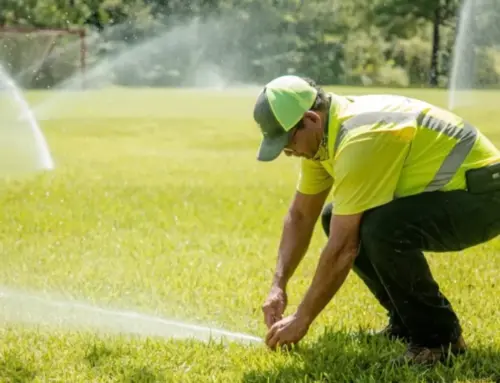

Low water pressure in a sprinkler system can make irrigation uneven, leave dry spots in the lawn, and prevent sprinkler heads from operating the way they should. The cause may be as simple as a clogged nozzle, or it may point to a leak, valve problem, or issue with the property’s water supply.
One of the most useful first steps is determining whether the problem affects a single irrigation zone or the entire sprinkler system. That distinction can narrow down the likely cause and help homeowners decide whether basic maintenance may solve the problem or professional irrigation repair is needed.
What Are the Signs of Low Sprinkler Water Pressure?
Low sprinkler pressure is not always obvious at first. In many cases, homeowners notice changes in coverage before realizing pressure is the underlying issue.
Common signs include:
- Sprinkler heads that do not fully pop up
- Water spraying a shorter distance than usual
- Weak or uneven spray patterns
- Dry areas between sprinkler heads
- Rotors that no longer rotate correctly
- Misty or inconsistent spray
- Multiple heads performing poorly at the same time
- One irrigation zone looking noticeably weaker than another
A sprinkler head that barely rises above the grass can be especially telling. Pop-up sprinklers rely on adequate water pressure to extend and operate correctly.
However, low pressure at one sprinkler does not automatically mean the entire irrigation system has a pressure problem. The location and number of affected heads can help identify what is happening.
Why Does Only One Sprinkler Zone Have Low Pressure?
When only one zone has low pressure, the problem is usually somewhere within that zone rather than with the main water supply.
Possible causes include:
A Partially Closed or Faulty Valve
Each irrigation zone is typically controlled by a valve. If that valve does not open completely, less water reaches the sprinkler heads.
A Leak in the Zone
A damaged underground irrigation pipe can release water before it reaches the sprinklers. The remaining heads may then operate with reduced pressure.
Clogged Sprinkler Heads
Dirt, sand, grass, and other debris can restrict water flow through individual sprinkler heads or nozzles.
Too Many Sprinkler Heads
If a zone has been modified and additional heads were added without considering available flow, the system may not be able to supply enough water to all of them.
Damaged or Pinched Irrigation Lines
Tree roots, landscaping work, soil movement, or previous repairs can restrict a pipe and reduce water reaching the rest of the zone.
Comparing the affected zone with neighboring zones is often an important part of diagnosing the problem.
What Causes Low Pressure Across the Entire Sprinkler System?
If every zone appears weak, the cause may be located closer to the system’s main water source.
System-wide low pressure can be associated with:
- A partially closed main irrigation shutoff valve
- Problems with a backflow prevention device
- Low household or municipal water pressure
- A major leak in the main irrigation line
- Water demand elsewhere on the property
- A pump problem on systems that use wells or irrigation pumps
- Restrictions in the irrigation supply line
- Pressure-regulating equipment that is malfunctioning
The timing of the issue can also provide useful clues.
For example, if the sprinklers previously worked normally and suddenly became weak, a leak, valve issue, or water supply change may be more likely than an irrigation system that was simply designed with insufficient capacity.
Can Clogged Sprinkler Heads Reduce Water Pressure?
Yes. Debris inside a sprinkler nozzle or filter can restrict the amount of water leaving the head.
A clogged sprinkler head may show symptoms such as:
- Uneven spray
- Water spraying to one side
- Reduced spray distance
- A head that sprays very little water
- Water bubbling instead of spraying normally
Clogging is especially likely when only one or two sprinkler heads are performing poorly while other heads on the same zone still work normally.
The nozzle, filter, and surrounding sprinkler body may need to be inspected and cleaned.
If several heads on the same zone are weak, however, the issue may be farther upstream.
Can Underground Leaks Cause Low Sprinkler Pressure?
Yes. Underground irrigation leaks are a common cause of pressure loss.
When an irrigation pipe cracks or separates, part of the water intended for the sprinkler heads escapes into the soil instead. Depending on the size and location of the leak, one sprinkler, an entire zone, or multiple areas of the irrigation system may be affected.
Possible signs of an underground irrigation leak include:
- Soggy soil
- Unusually green patches of grass
- Water pooling when the system runs
- Mud near sprinkler lines
- Erosion around sprinkler heads
- A zone that suddenly loses pressure
- Water appearing where there is no sprinkler head
- Higher-than-expected water use
Not every underground leak produces a visible puddle. Water can drain deeper into the soil, particularly in sandy or well-draining areas.
A professional irrigation inspection can help locate leaks that are not visible from the surface.

How Do Irrigation Valve Problems Affect Water Pressure?
Irrigation valves control the flow of water to individual sprinkler zones.
When a valve receives a signal from the irrigation controller, it should open and allow water to move freely through that zone. If the valve opens only partially, water flow may be restricted.
Valve problems can include:
- Debris inside the valve
- A damaged diaphragm
- A worn internal component
- A partially closed flow-control adjustment
- Electrical or solenoid problems
- Physical damage to the valve
A valve issue may cause one zone to operate weakly while the rest of the sprinkler system performs normally.
In some cases, a valve can also fail to close completely, which may cause water to continue leaking from sprinkler heads after the irrigation cycle ends.
Because valves contain both mechanical and electrical components, diagnosing the exact cause often requires a closer inspection.
Can Water Supply Issues Affect Sprinkler Performance?
Yes. An irrigation system can only operate with the water pressure and flow available to it.
Several outside factors can affect sprinkler performance.
For example, running multiple high-demand water fixtures at the same time as the sprinkler system may reduce available flow. Filling a pool, running several showers, using a washing machine, or operating another irrigation system could temporarily affect sprinkler performance on some properties.
Municipal water pressure can also fluctuate.
Homes supplied by wells may experience additional issues related to:
- Well pressure tanks
- Irrigation pumps
- Pump controls
- Filters
- Water supply capacity
If low sprinkler pressure occurs throughout the entire system, it may be useful to determine whether other plumbing fixtures on the property are also experiencing reduced pressure.
If household water pressure appears normal while the irrigation system remains weak, the problem is more likely within the irrigation components themselves.
What Does an Irrigation Inspection Check?
A professional irrigation inspection is designed to determine where water pressure or flow is being lost.
Depending on the symptoms, an irrigation technician may inspect:
- Water pressure entering the irrigation system
- Main irrigation shutoff valves
- Backflow prevention equipment
- Zone valves
- Irrigation pipes
- Sprinkler heads
- Nozzles and filters
- Rotors
- Controller operation
- Wiring and solenoids
- Signs of underground leaks
- Coverage patterns
- The number of sprinkler heads operating on each zone
The technician may also run each zone individually.
Watching the system operate makes it easier to identify heads that are not rising, valves that are not opening correctly, areas with reduced coverage, and locations where underground leaks may be present.
An inspection should focus on finding the cause rather than simply replacing sprinkler heads until the system appears stronger.
When Does Low Water Pressure Need Professional Repair?
Some sprinkler pressure problems can be handled through basic maintenance. Cleaning a clogged nozzle or removing grass from around a sprinkler head may restore normal performance.
Professional irrigation repair may be appropriate when:
- An entire zone has suddenly lost pressure
- Multiple zones are weak
- Sprinkler heads will not fully rise
- Water is pooling or bubbling from the ground
- A valve does not appear to be opening correctly
- Pressure problems repeatedly return
- Underground pipes may be leaking
- A backflow device or main irrigation component may be involved
- The system has uneven pressure despite clean sprinkler heads
Repeatedly replacing nozzles will not fix a damaged underground pipe or faulty irrigation valve.
If the cause is not obvious, diagnosing the system first can help prevent unnecessary repairs.
How to Prevent Future Sprinkler Pressure Problems
Routine irrigation maintenance can help catch small issues before they affect an entire sprinkler zone.
Homeowners can reduce future problems by:
- Running each irrigation zone periodically and watching its performance
- Cleaning clogged sprinkler nozzles when necessary
- Keeping grass and soil from covering sprinkler heads
- Repairing damaged heads promptly
- Checking for soggy areas or unexplained water pooling
- Avoiding damage to irrigation lines during digging or landscaping
- Monitoring sudden changes in water coverage
- Having older systems inspected when performance begins declining
Sprinkler heads are particularly vulnerable to damage from lawn equipment, vehicles, edging, and soil movement.
A small crack in a sprinkler body or connection may initially seem minor but can gradually reduce pressure and waste water.
FAQs
Why are my sprinklers suddenly losing pressure?
A sudden pressure change can be caused by a broken irrigation pipe, faulty valve, partially closed shutoff valve, damaged sprinkler head, or change in the property’s water supply. Determining whether one zone or all zones are affected can help narrow down the cause.
Why do my sprinkler heads not pop up all the way?
Pop-up sprinkler heads require sufficient water pressure to extend fully. Low pressure may result from leaks, valve restrictions, clogged components, inadequate water supply, or too many sprinkler heads operating on the same zone.
Can one broken sprinkler head lower pressure for the whole zone?
Yes. A badly damaged or missing sprinkler head can release a large amount of water, reducing the pressure available to other sprinkler heads on the same zone.
Why does my sprinkler pressure start strong and then get weaker?
Pressure that changes during operation may indicate a water supply problem, pump issue, valve restriction, or competing water demand elsewhere on the property. An irrigation inspection can help determine where the pressure is changing.
Can a sprinkler system have too many heads on one zone?
Yes. Each irrigation zone must be designed around the amount of water flow available. Adding more sprinkler heads than the water supply can support may result in reduced spray distance and poor coverage.
Should I replace sprinkler heads if the pressure is low?
Not automatically. Sprinkler heads may be the problem if they are clogged or damaged, but low pressure can also originate from valves, pipes, leaks, or the main water supply. Identifying the source first can prevent unnecessary replacement.
Get Help Diagnosing Sprinkler Pressure Problems
Weak sprinkler coverage is often a symptom rather than the actual problem. A clogged nozzle may be easy to correct, while a damaged irrigation valve, underground leak, or water supply restriction can require a more detailed diagnosis.
Performance Lawn & Landscape can inspect irrigation systems, identify areas where pressure or flow is being lost, and recommend repairs based on what the system actually needs. If your sprinkler heads are struggling to rise, one zone has become noticeably weaker, or your entire irrigation system is no longer providing consistent coverage, a professional inspection can help determine the next step.