Table of Contents
- What Plants Require the Least Maintenance in Landscaping?
- How Do Landscapers Reduce the Need for Watering and Upkeep?
- What Is Xeriscaping and How Does It Work?
- Can Hardscaping Reduce Maintenance Needs?
- How Do Irrigation Systems Help With Low-Maintenance Yards?
- What Materials Are Best for Easy-Care Landscaping?
- Key Takeaways
- Create a Beautiful Yard With Less Work
Low-maintenance landscaping is designed to reduce watering, mowing, pruning, and ongoing upkeep while maintaining an attractive outdoor environment. Professional landscapers achieve this by selecting durable plants, incorporating hardscape features, improving irrigation efficiency, and using materials that require minimal attention throughout the year.
Many homeowners want a yard that looks beautiful without demanding constant work. Effective low-maintenance outdoor space design balances aesthetics, functionality, and sustainability to create landscapes that remain attractive with less time, effort, and expense.
What Plants Require the Least Maintenance in Landscaping?
Plant selection is one of the most important elements of a successful low-maintenance landscape.
Native Plants Are Often the Best Choice
Native plants naturally adapt to local soil, rainfall, and climate conditions.
Because they evolved in the region, they generally require:
- Less watering
- Fewer fertilizers
- Reduced pest management
- Minimal pruning
This makes them highly effective for low-maintenance landscaping projects.
Perennials Reduce Replanting Needs
Unlike annuals that require replacement each year, perennials return season after season.
Popular low-maintenance perennial options may include:
- Coneflowers
- Black-eyed Susans
- Daylilies
- Salvia
- Ornamental grasses
These plants provide color and texture while reducing maintenance demands.
Evergreen Shrubs Offer Year-Round Appeal
Evergreens maintain their appearance throughout the year.
Many varieties require only occasional trimming and provide long-term structure within the landscape.
Ground Covers Reduce Lawn Areas
Ground covers can replace difficult-to-maintain turf sections.
Options such as creeping juniper or certain ornamental grasses help suppress weeds while reducing mowing requirements.
How Do Landscapers Reduce the Need for Watering and Upkeep?
Professional landscapers use several strategies to reduce water consumption and maintenance requirements.
Group Plants by Water Needs
Plants with similar moisture requirements are often placed together.
This approach allows irrigation systems to deliver water more efficiently and prevents overwatering.
Improve Soil Quality
Healthy soil retains moisture more effectively.
Landscapers often incorporate organic matter to improve:
- Water retention
- Root development
- Nutrient availability
Better soil helps plants remain healthier with less intervention. Professional soil testing can also help determine what the landscape needs before improvements are made.
Minimize High-Maintenance Turf Areas
Large lawns typically require:
- Frequent mowing
- Fertilization
- Irrigation
- Weed control
Reducing turf areas often lowers maintenance significantly.
Use Mulch Strategically
Mulch helps conserve soil moisture and suppress weed growth.
Benefits include:
- Reduced evaporation
- Improved soil temperature regulation
- Fewer weeds
- Cleaner planting beds
These advantages contribute directly to successful low-maintenance outdoor space design. Professional mulching also helps planting beds look cleaner while supporting healthier soil conditions.
What Is Xeriscaping and How Does It Work?
Xeriscaping is a landscaping approach that minimizes water use while maintaining an attractive outdoor environment.
Core Principles of Xeriscaping
Xeriscaping focuses on:
- Water-efficient plants
- Efficient irrigation
- Soil improvement
- Mulching
- Practical landscape planning
The goal is to create a sustainable landscape that thrives with limited supplemental watering.
Plant Selection Matters
Drought-tolerant plants are central to xeriscaping.
Common choices may include:
- Native grasses
- Succulents
- Certain flowering perennials
- Adapted shrubs
These plants often perform well with less water than traditional landscape selections.
Benefits Beyond Water Conservation
Xeriscaping offers advantages beyond reduced irrigation.
Homeowners may also experience:
- Lower maintenance costs
- Reduced fertilizer needs
- Fewer pest issues
- Improved environmental sustainability
For many properties, xeriscaping is an excellent strategy for achieving low-maintenance landscaping goals.
Long-Term Efficiency
Once established, xeriscaped landscapes often require substantially less ongoing maintenance than traditional lawn-focused designs.
Can Hardscaping Reduce Maintenance Needs?
Yes. Hardscaping is one of the most effective ways to reduce landscape maintenance.
What Is Hardscaping?
Hardscaping refers to non-living landscape elements such as:
- Patios
- Walkways
- Retaining walls
- Stone features
- Decorative gravel areas
- Outdoor living spaces
These features require far less upkeep than plant-heavy areas.
Reducing Lawn Maintenance
Replacing portions of turf with hardscape surfaces decreases:
- Mowing
- Watering
- Fertilizing
- Weed control
This can dramatically reduce ongoing landscape work.
Creating Functional Outdoor Spaces
Hardscape features often increase usability.
Patios, seating areas, and pathways create practical outdoor living spaces while minimizing maintenance demands. A professional hardscape contractor can help design features that improve both function and long-term durability.
Improved Durability
Quality hardscape materials can last for decades with minimal care.
This durability makes hardscaping an important component of many low-maintenance outdoor space design plans.
For homeowners considering low-maintenance landscaping in Monroe, NC, hardscape features often provide both aesthetic and practical benefits.
How Do Irrigation Systems Help With Low-Maintenance Yards?
Efficient irrigation systems play a major role in reducing maintenance requirements.
Delivering Water Precisely
Modern irrigation systems apply water directly where it is needed.
This helps reduce waste while supporting healthy plant growth.
Drip Irrigation Systems
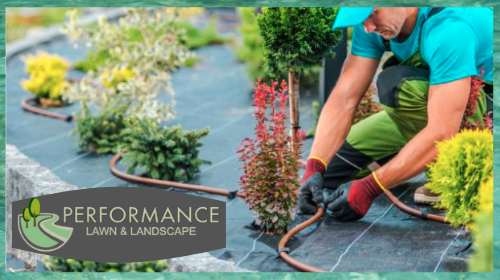
Drip irrigation is particularly effective in planting beds.
Benefits include:
- Reduced evaporation
- Targeted watering
- Lower water consumption
- Fewer weed problems
Because water is delivered directly to plant roots, efficiency improves significantly.
Smart Irrigation Technology
Many modern systems include weather-responsive technology.
These systems automatically adjust watering schedules based on:
- Rainfall
- Temperature
- Seasonal conditions
This reduces unnecessary irrigation and helps conserve resources. Proper watering management can also help homeowners maintain healthier landscapes with less waste.
Healthier Landscapes Require Less Attention
Proper irrigation supports healthier plants.
Healthy plants are often more resistant to pests, diseases, and environmental stress, reducing maintenance demands over time. When irrigation problems occur, timely irrigation repair can help prevent plant stress and unnecessary landscape damage.
What Materials Are Best for Easy-Care Landscaping?
Material selection has a significant impact on long-term maintenance requirements.
Mulch
Mulch remains one of the most valuable low-maintenance materials.
It helps:
- Retain moisture
- Reduce weeds
- Improve appearance
- Protect soil
Organic mulch also contributes nutrients as it decomposes.
Decorative Stone and Gravel
Stone and gravel provide long-lasting ground coverage.
Unlike organic materials, they do not require frequent replacement.
These materials work particularly well in xeriscaped landscapes.
Composite Materials
Composite products are commonly used for:
- Decking
- Borders
- Landscape edging
They resist weathering and require less maintenance than traditional wood products.
Durable Pavers
Pavers offer an attractive solution for patios and walkways.
They require minimal maintenance and can often be repaired without replacing entire surfaces. Professionally installed patios can add usable outdoor space while reducing the amount of high-maintenance turf in the yard.
Artificial Turf in Select Areas
In some applications, artificial turf can reduce mowing and watering requirements.
However, proper installation and material selection remain important considerations.
Combining durable materials with thoughtful design helps create highly effective low-maintenance landscaping in Monroe, NC and similar environments.
Key Takeaways
Successful low-maintenance landscaping combines drought-tolerant plants, efficient irrigation, mulch, durable materials, and practical hardscaping. By reducing watering, mowing, pruning, and weed control requirements, professional low-maintenance outdoor space design creates attractive landscapes that remain functional, sustainable, and easier to manage throughout the year with less ongoing effort.
Create a Beautiful Yard With Less Work
At Performance Lawn & Landscape, we help homeowners create beautiful outdoor environments that require less maintenance and deliver long-term value. We specialize in customized low-maintenance outdoor space design solutions that balance aesthetics, functionality, and efficiency.
Whether you are considering native plants, hardscaping, irrigation upgrades, or complete low-maintenance landscaping in Monroe, NC, we are ready to help. Contact us today and let us design an outdoor space that works for your lifestyle.