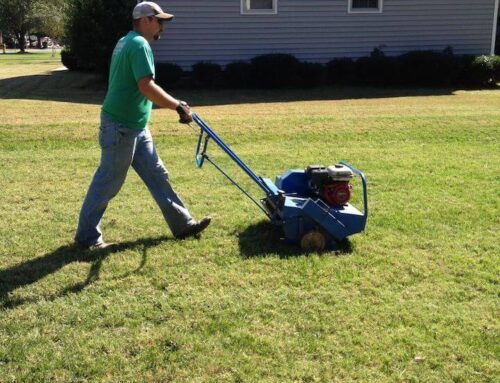

If your lawn feels spongy when you walk across it, the problem may be below the surface rather than with the grass blades themselves. A soft or springy lawn can be caused by excess thatch, waterlogged soil, poor drainage, overwatering, soil compaction, or certain turf health problems.
The key is identifying whether the lawn feels dry and cushiony or wet and unstable. Dry, springy turf often points toward thatch buildup, while a soggy lawn may indicate excess moisture or drainage problems. In some cases, more than one issue can be happening at the same time.
Why Does My Lawn Feel Spongy When I Walk on It?
A lawn may feel spongy when there is too much organic material, moisture, or unstable soil beneath the grass.
Common causes include:
- Thick thatch buildup
- Overwatering
- Poor drainage
- Soil that remains saturated after rain
- Compacted soil
- Turf disease
- Excessive organic matter at the soil surface
- Weak or damaged grass roots
The first thing to notice is how the lawn feels.
If the turf feels springy even when the soil is dry, thatch may be the main issue. If your shoes sink slightly or the ground feels wet and soft, excess moisture is more likely.
Also pay attention to whether the problem affects the whole lawn or only certain areas. A low spot near a downspout may have a drainage problem, while consistent sponginess across the yard may suggest a broader maintenance issue.
Can Excess Thatch Make a Lawn Feel Spongy?
Yes. Thatch is one of the most common reasons a lawn feels unusually springy underfoot.
Thatch is a layer of partially decomposed stems, roots, and other organic material that develops between the green grass and the soil surface. A small amount can be normal, but an excessive layer may interfere with water movement, nutrient availability, and healthy root development.
A thick thatch layer can make the lawn feel:
- Soft
- Springy
- Bouncy
- Puffy
- Uneven underfoot
You may also notice that the grass appears to sit above the actual soil surface.
Excessive thatch can become more problematic because water and fertilizer may remain near the surface instead of reaching deeper into the root zone. The grass can then develop shallow roots and become more vulnerable to heat and drought stress.
How Can You Tell Thatch From Excess Moisture?
The easiest way to distinguish between thatch and excess moisture is to inspect the soil beneath the grass.
Choose a representative area and examine a small section of turf.
If you see a thick, fibrous brown layer between the grass and soil, thatch is likely contributing to the spongy feeling.
Thatch-related turf usually feels:
- Springy rather than muddy
- Soft even during relatively dry weather
- Elevated above the soil
- Firm underneath once you reach the soil layer
Excess moisture feels different.
A waterlogged lawn may:
- Feel soft or unstable
- Leave wet footprints
- Produce water when pressed
- Feel muddy below the grass
- Remain wet for several days after rainfall
- Develop standing water in low spots
You may also notice both issues at once. A thick thatch layer can interfere with water movement and contribute to moisture problems near the surface.
Can Poor Drainage Cause a Soft or Soggy Lawn?
Yes. Poor drainage can leave soil saturated long after rainfall or irrigation has stopped.
Water may collect because it cannot move through the soil quickly enough or because the surrounding grade directs runoff toward the lawn.
Common drainage problems include:
- Low areas in the yard
- Heavy or poorly draining soil
- Improper grading
- Water flowing from neighboring areas
- Downspouts discharging onto the lawn
- Irrigation leaks
- Blocked drainage systems
- Soil compaction
A drainage problem may be particularly noticeable after storms.
If one section stays soft for days while the rest of the lawn dries normally, the problem is probably localized.
Persistent moisture should not be ignored. Grass roots need both water and oxygen. When soil stays saturated, oxygen becomes limited, which can weaken turf and encourage additional lawn problems.
Does Overwatering Make Grass Feel Spongy?
Yes. Irrigating too frequently can keep the upper soil layer constantly wet.
Some homeowners water because the lawn looks stressed, but additional irrigation does not always solve the problem. If the underlying issue is poor drainage, frequent watering can make conditions worse.
Signs that irrigation may be contributing include:
- Soft soil between scheduled watering days
- Water running onto sidewalks or driveways
- Puddles forming during irrigation
- Sprinklers operating shortly after rainfall
- Grass remaining wet for long periods
- Mushrooms appearing frequently
- An irrigation schedule that runs every day
Watering needs vary depending on grass type, weather, soil conditions, shade, and season.
Rather than relying on the same irrigation schedule year-round, adjust watering based on actual lawn conditions.
It is also worth checking the sprinkler system. A broken head, leaking valve, or damaged underground line can saturate a particular area even when the rest of the lawn receives an appropriate amount of water.
Can Compacted Soil Contribute to Drainage Problems?
Yes. Compacted soil reduces the amount of pore space available for air and water.
When soil particles are pressed closely together, water may have difficulty moving downward into the root zone. Instead, it can remain near the surface or run off into surrounding low spots.
Soil compaction is common in areas that receive frequent traffic, including:
- Walkways across the lawn
- Play areas
- Spaces where pets regularly run
- Areas used by lawn equipment
- Places where vehicles have crossed the yard
- Lawns affected by construction activity
Compacted soil may feel hard when dry but soft and saturated during wet weather.
Other signs can include:
- Thin grass
- Shallow roots
- Water pooling after rain
- Bare areas in high-traffic zones
- Slow water absorption
Core aeration may help certain lawns by creating openings in compacted soil, but aeration will not correct every drainage problem.
If the yard has improper grading or a major runoff issue, broader drainage improvements may be needed.

Are Fungal Diseases a Cause for Concern?
Sometimes.
Fungal diseases are not usually the first explanation for a lawn feeling spongy, but consistently wet conditions can create an environment where disease becomes more likely.
Different lawn diseases produce different symptoms, so sponginess alone is not enough to diagnose a fungal problem.
Watch for changes such as:
- Irregular brown patches
- Yellowing grass
- Circular damaged areas
- Discolored leaf blades
- Grass thinning unexpectedly
- White, gray, or unusual growth on turf
- Patches that spread over time
Excessive moisture, poor airflow, overwatering, and extended leaf wetness can contribute to some turf diseases.
Applying fungicide without confirming the problem is not always appropriate. Similar-looking lawn damage can result from insects, irrigation problems, nutrient issues, heat stress, or poor soil conditions.
A professional lawn inspection can help determine whether disease is actually involved.
What Other Lawn Health Problems Can Cause Soft Turf?
Several other conditions may create areas that feel unusually soft.
Weak Root Systems
Grass with shallow or damaged roots may not be well anchored in the soil. The surface can feel less stable when walked on.
Underground Leaks
A damaged irrigation or plumbing line can continually release water beneath the lawn.
An underground leak may be suspected if one area remains wet even during otherwise dry weather.
Soil Settlement
Recently disturbed soil can settle unevenly, creating depressions where water collects.
This commonly occurs after:
- Construction
- Utility work
- Drainage installation
- Tree removal
- Filling old holes or trenches
Organic Material Buildup
Heavy layers of decomposing leaves or grass clippings can sometimes create a soft surface if they accumulate faster than they break down.
Pest Activity
Certain soil-dwelling pests can damage roots or disturb the soil. However, pest problems typically come with additional symptoms such as thinning, discoloration, or turf that pulls away unusually easily.
The overall condition of the lawn should be considered instead of diagnosing the problem based only on texture.
When Does a Spongy Lawn Need Professional Treatment?
Professional help may be useful when the sponginess persists or when the cause is not obvious.
Consider requesting an assessment if:
- The lawn remains wet for several days after rain
- One section is constantly soggy
- Thatch appears unusually thick
- Grass is thinning or dying
- Water repeatedly pools in the same areas
- You suspect an irrigation leak
- Previous drainage efforts have not worked
- Mushrooms or disease symptoms appear frequently
- The lawn feels unstable across a large area
Treatment depends entirely on what is causing the problem.
A thatch problem may require dethatching or changes to maintenance practices. Compacted soil may benefit from aeration. Drainage problems may require grading or water-management improvements.
Treating the wrong cause can waste time and potentially create additional problems.
How Can a Lawn Inspection Identify the Cause?
A professional lawn inspection looks at both the turf and the conditions beneath it.
Depending on the problem, an assessment may include checking:
- Thatch thickness
- Soil moisture
- Drainage patterns
- Soil compaction
- Irrigation coverage
- Sprinkler leaks
- Low areas in the yard
- Grass root health
- Disease symptoms
- Pest activity
- Runoff from downspouts or hardscapes
The technician may also consider where the problem occurs.
For example, a spongy area beneath a shaded tree may have different causes than a soft patch beside an irrigation valve.
At Performance Lawn & Landscape, we can evaluate the lawn as a complete system rather than treating the soft turf as an isolated symptom. Identifying whether the problem comes from water, thatch, soil, irrigation, or turf health helps determine which solution makes the most sense.
FAQs
Is a spongy lawn always caused by too much water?
No. Excess moisture is a common cause, but thick thatch can also make a lawn feel soft or springy even when the soil itself is not overly wet.
How do I know if my lawn has too much thatch?
Inspect the layer between the green grass and the soil. A noticeable buildup of brown, fibrous organic material may indicate excessive thatch. The turf may also feel unusually springy underfoot.
Will dethatching fix a spongy lawn?
Only if excessive thatch is the main cause. Dethatching will not correct poor grading, underground leaks, overwatering, or saturated soil. The cause should be identified before choosing treatment.
Why is only one part of my yard spongy?
A localized soft area may be caused by a low spot, irrigation leak, drainage problem, soil settlement, or concentrated runoff. Comparing the affected area with the rest of the lawn can help narrow down the cause.
Can too much rain make a healthy lawn feel soft?
Yes. Soil can temporarily become soft after extended or heavy rainfall, particularly when it is already saturated. The concern is when the lawn stays soggy for an unusually long period after surrounding areas have dried.
Should I aerate a lawn that feels spongy?
Aeration may help when soil compaction contributes to poor drainage, but it is not a universal solution. A thick thatch layer, drainage problem, or irrigation leak may require a different approach.
Why does my lawn feel wet even though I have not watered it?
Possible causes include recent rainfall, poor drainage, runoff from another area, a leaking sprinkler system, an underground water line issue, or groundwater conditions. Persistent wetness during otherwise dry weather is worth investigating.
When should I call a lawn care professional?
Consider professional assessment when the lawn remains soggy, develops recurring disease symptoms, has significant thatch buildup, or continues declining despite changes to watering and maintenance. A proper inspection can help identify the underlying issue before treatment begins.