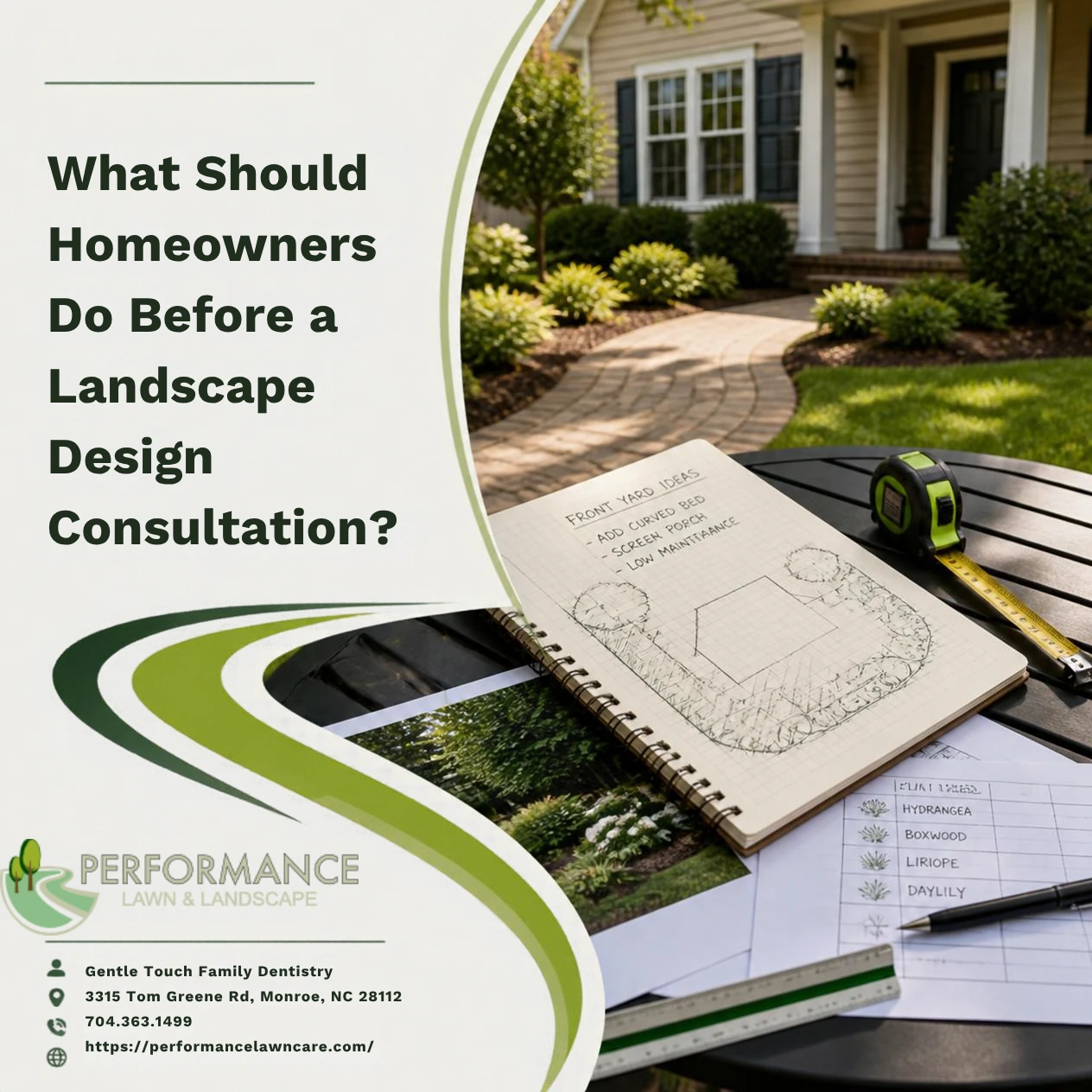
Before a landscape design consultation, homeowners should think through how they want to use their outdoor space, identify their biggest priorities, gather a few inspiration examples, and consider a realistic budget range. It also helps to note drainage concerns, problem areas, existing features, and anything they definitely want to keep or change.
You do not need to arrive with a finished design. The goal is to give your landscape designer enough information to understand your needs while leaving room for professional recommendations that may improve the final plan.
Why Preparation Matters Before a Landscape Design Consultation
A landscape design consultation is much more productive when the homeowner has already thought about what they want from the property.
That does not mean choosing every plant, paver, or retaining wall material beforehand. In fact, being too committed to a specific layout can sometimes limit better design possibilities.
Instead, preparation helps clarify the bigger questions:
- How do you want to use the yard?
- What problems are you trying to solve?
- Which features matter most?
- Who will use the space?
- How much maintenance are you comfortable with?
- What budget range are you considering?
- Are there existing features you want to preserve?
These details give the designer a starting point.
For example, saying, “We want a bigger patio” is useful. Saying, “We want enough patio space for an eight-person dining table, grill, and occasional gatherings” gives the designer much more information to work with.
How to Define Your Landscape Goals and Priorities
Start by thinking about what you want your landscape to accomplish.
Some homeowners are primarily interested in appearance. Others want better outdoor living space, easier maintenance, more privacy, improved drainage, or a safer yard for children and pets.
Your goals might include:
- Creating an outdoor entertaining area
- Adding a patio or walkway
- Improving curb appeal
- Reducing lawn maintenance
- Creating more privacy
- Correcting erosion or drainage problems
- Adding landscape lighting
- Building a retaining wall
- Creating usable space on a sloped property
- Replacing overgrown landscaping
- Adding planting beds
- Improving access between areas of the property
Once you have a list, rank the items.
Separate them into categories such as:
Must Have
These are the improvements that need to be part of the project for it to solve your main problem.
Would Like to Have
These features are important but could potentially be adjusted, postponed, or removed if necessary.
Future Project
Some ideas may make sense as part of a later phase.
This ranking helps your designer make recommendations if your wish list is larger than the available space or budget.
What Areas of Your Property Should You Measure?
You do not necessarily need professional property measurements before an initial consultation, but rough dimensions can be useful when discussing ideas.
Consider measuring areas such as:
- Existing patios
- Decks
- Walkways
- Driveways
- Landscape beds
- Side yards
- Open lawn areas
- Spaces where you are considering a patio
- Areas around pools or outdoor structures
- Narrow access points between buildings and property lines
If possible, also note the approximate location of major fixed features, including:
- House corners
- Fences
- Gates
- Sheds
- Mature trees
- HVAC equipment
- Downspouts
- Outdoor faucets
- Utility equipment
- Existing retaining walls
Do not worry if your measurements are not exact. A professional landscape team can verify dimensions when detailed planning begins.
The initial goal is simply to help everyone understand the general scale of the space.
How to Set a Realistic Landscape Budget Range
Budget is one of the most useful topics to discuss during a landscape consultation.
Homeowners sometimes hesitate to provide a budget because they worry it will influence the estimate. However, landscape projects can vary enormously depending on their scope, materials, site conditions, and complexity.
A patio project might involve much more than the visible surface. Excavation, base preparation, grading, drainage, steps, retaining walls, access conditions, and material selection can all affect cost.
Having a general budget range helps the designer determine which ideas are realistic.
You do not need to know the exact price of the project beforehand.
Instead, consider questions such as:
- What are we comfortable investing in the property?
- Which features are most important?
- Could the project be completed in phases?
- Are we willing to adjust materials to stay within budget?
- Is quality more important than completing every feature immediately?
- Are there improvements that need to happen before cosmetic upgrades?
It is usually more helpful to say, “We would like to stay within this general range” than to avoid discussing cost until the entire design is finished.
A clear budget can help prioritize the improvements that create the greatest value for your property.
What Inspiration Should You Gather Before the Consultation?
Photos are one of the easiest ways to communicate your preferences.
You might collect inspiration from:
- Landscape websites
- Houzz
- Homes in your neighborhood
- Garden centers
- Previous landscape projects
- Patio and outdoor living galleries
Look for examples of:
- Patio styles
- Paver colors
- Planting arrangements
- Retaining walls
- Walkways
- Landscape lighting
- Fire pits
- Seating areas
- Privacy screening
- Outdoor kitchens
- Steps
- Garden beds
Try to identify what you actually like about each image.
For example, you might like the warm color of the pavers but not the modern furniture. Another photo might appeal to you because of the layered planting rather than the specific plant species.
Those details help the designer understand your style.
You can also save examples of landscapes you do not like. Knowing what you want to avoid can be just as useful.
What Existing Landscape Problems Should You Mention?
A landscape consultation should not focus only on appearance.
Tell your designer about problems that affect how the property functions.
Common concerns include:
- Standing water after rain
- Poor lawn drainage
- Soil washing downhill
- Erosion
- Muddy areas
- Uneven walkways
- Cracked patios
- Retaining walls that are leaning or bulging
- Areas where grass will not grow
- Excessive shade
- Exposed tree roots
- Overgrown shrubs
- Water collecting near the foundation
- Difficult slopes
- Areas that are hard to mow
- Poor access between parts of the property
Mention when these problems occur.
For example, a low area may look completely normal during the consultation but hold several inches of water after a heavy storm.
Photos or videos taken during rain can help show conditions that are not visible on a dry day.
These details matter because drainage, grading, erosion, and site conditions may affect the design.
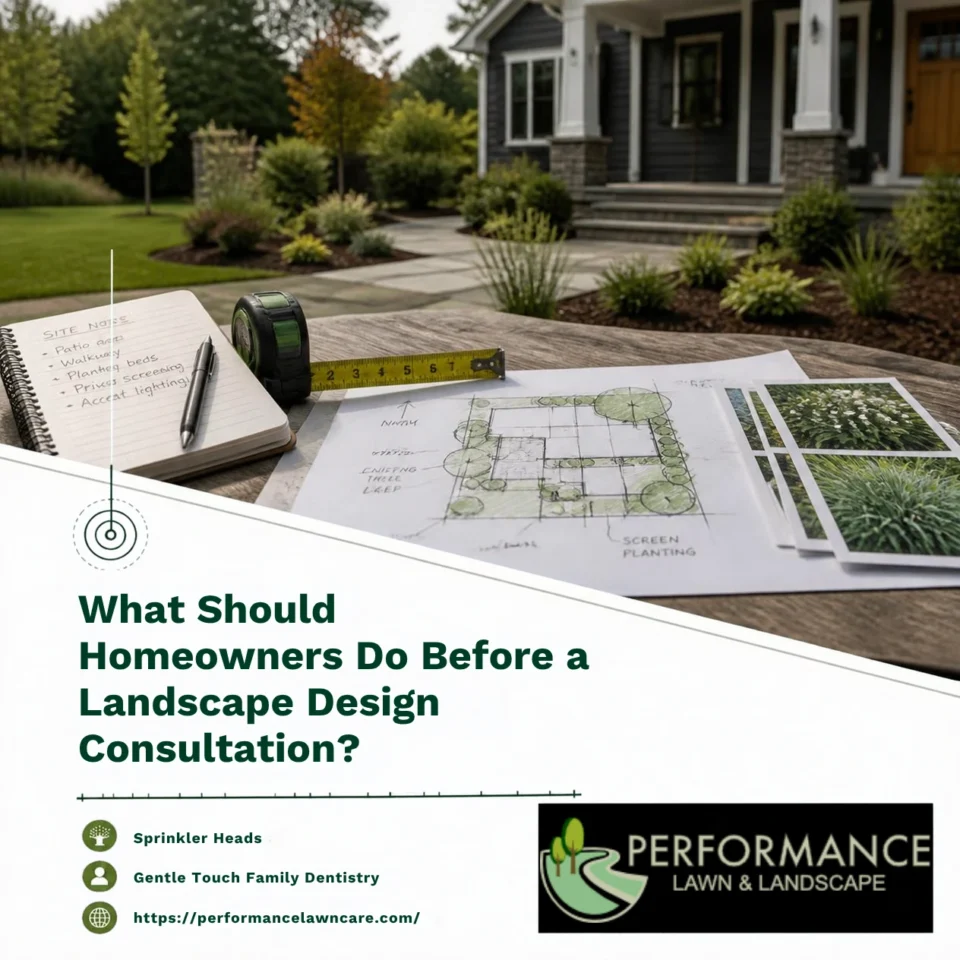
Should You Prepare a List of Must-Have Features?
Yes, but keep the list flexible.
A must-have list helps your designer understand what needs to be accomplished, especially when the project includes multiple improvements.
Your list might include features such as:
- Paver patio
- Retaining wall
- Fire pit
- Seating wall
- Outdoor kitchen
- Landscape lighting
- Privacy plants
- New lawn areas
- Walkways
- Steps
- Drainage improvements
- Planting beds
- Trees
- Mulch or decorative stone
Then explain why each feature matters.
For example:
“We want a retaining wall” describes a product.
“We need to create a flatter area because the backyard slope makes it difficult to use” describes the actual goal.
The second statement gives the designer more flexibility.
A retaining wall may indeed be part of the solution, but understanding the purpose allows the professional to recommend the most appropriate design.
What Questions Should You Ask a Landscape Designer?
A consultation should be a two-way conversation.
You are evaluating potential improvements, but you are also learning how the landscape company approaches planning and construction.
Useful questions include:
What Improvements Would You Prioritize?
A professional may identify drainage, grading, or structural concerns that should be addressed before decorative upgrades.
Are Any of My Ideas Unsuited to the Property?
A particular plant, patio location, wall design, or feature may not work well because of sunlight, drainage, slope, access, or available space.
Could This Project Be Completed in Phases?
Phasing can sometimes make larger landscape projects easier to budget and plan.
What Maintenance Will This Design Require?
Some homeowners enjoy gardening every weekend. Others want landscaping that needs relatively little attention.
Make your preference clear.
What Materials Would Work Well Here?
Ask about durability, maintenance, appearance, and how different materials fit the property.
Are There Drainage or Grading Issues We Should Address?
These problems may influence patios, retaining walls, planting areas, and lawn improvements.
What Happens During the Design Process?
Understanding the next steps helps you know what information, decisions, or approvals may be needed.
What Information Should You Bring to the Consultation?
You do not need an enormous folder of paperwork, but several pieces of information may be useful.
Consider having:
- Photos of the property
- Inspiration photos
- Rough property measurements
- A property survey if available
- HOA requirements
- Known easement information
- Previous landscape plans
- Irrigation information
- Notes about underground utilities
- A list of your priorities
- Your approximate budget range
- Photos showing drainage problems
- Questions you want answered
A property survey can be particularly helpful for larger projects involving structures, fences, walls, patios, or improvements near property boundaries.
If you do not have everything available at the first consultation, that is usually fine. Your landscape professional can explain which documents or measurements will become important later.
What Happens After the Initial Landscape Design Meeting?
The next step depends on the scope of the project and the landscape company’s process.
For a relatively straightforward project, the company may be able to move directly toward developing recommendations and pricing.
Larger or more detailed landscape projects may require additional planning.
The process might include:
- Site evaluation
Measurements, elevations, drainage conditions, existing landscaping, and construction access may need closer review. - Design development
Your goals and priorities are translated into a practical landscape layout. - Material selection
Pavers, wall materials, plants, decorative stone, lighting, and other finishes may be selected. - Budget refinement
The proposed design can be compared with your available budget. - Design revisions
Some features may be adjusted based on cost, maintenance, appearance, or homeowner preferences. - Project planning
Once the design and scope are approved, construction scheduling and preparation can begin.
Do not be surprised if some of your original ideas change.
A productive landscape design process combines what you want with what works best for the property.
Sometimes the best professional recommendation is a slightly different patio location, fewer plant varieties, improved drainage, a redesigned retaining wall, or a phased approach that creates a stronger overall result.
Leave Room for Professional Landscape Recommendations
Preparing for a consultation does not mean designing the entire property yourself.
Your job is primarily to explain your goals, concerns, priorities, and preferences.
The landscape designer’s job is to turn that information into a functional plan.
Being flexible can lead to better solutions.
For example, you may arrive wanting a large patio in one particular corner of the backyard. After evaluating drainage, sunlight, traffic flow, and elevation changes, the designer may suggest moving it several feet or changing its shape.
That recommendation could improve:
- Drainage
- Outdoor furniture placement
- Access from the house
- Construction cost
- Available lawn space
- Privacy
- Overall appearance
The strongest landscape designs usually come from collaboration rather than simply copying an inspiration photo.
Start Planning Your Outdoor Space With Performance Lawn & Landscape
A little preparation can make your landscape design consultation much more productive. Think about how you want to use the property, identify your priorities, gather inspiration, note existing problems, and establish a comfortable budget range before the meeting.
You do not need to have every detail figured out.
At Performance Lawn & Landscape, we help homeowners turn ideas into practical outdoor spaces by considering the entire property, including grading, drainage, hardscaping, planting areas, retaining walls, and long-term maintenance.
Whether you are planning a new patio, updating an aging landscape, improving drainage, or considering a larger backyard transformation, a design consultation is the place to begin discussing what is possible.
Contact Performance Lawn & Landscape to start planning a landscape that fits your property, priorities, and the way you want to use your outdoor space.
FAQs
Do I need exact measurements before a landscape design consultation?
No. Rough measurements can help during the initial conversation, but professional measurements can be taken when detailed planning begins. It is more important to understand which parts of the property you want to improve and how you plan to use them.
Should I know my landscape budget before meeting with a designer?
You should ideally have a general range in mind. It does not need to be exact. A realistic budget range helps the designer prioritize features, recommend appropriate materials, and determine whether a larger project should be completed all at once or in phases.
How many landscape inspiration photos should I bring?
There is no required number. A small collection of photos showing patios, plants, walls, lighting, or overall styles you like is usually enough. Try to explain which elements appeal to you rather than expecting the final design to copy one specific image.
What if I do not know which plants or materials I want?
That is completely fine. Homeowners do not need to choose every plant, paver, or material before the consultation. Explain the look, maintenance level, colors, and overall feeling you prefer, then allow the designer to recommend options suitable for your property.
Should drainage problems be discussed during a design consultation?
Yes. Tell the designer about standing water, erosion, soggy areas, runoff, or other drainage concerns. These issues can influence where patios, beds, retaining walls, and other landscape features should be placed and may need to be addressed before cosmetic improvements.
Can I plan a landscape project in phases?
Often, yes. Phasing can be useful when the overall project is large or when certain improvements need to happen before others. A designer can help create a plan that allows future phases to connect properly rather than treating each improvement as an unrelated project.